
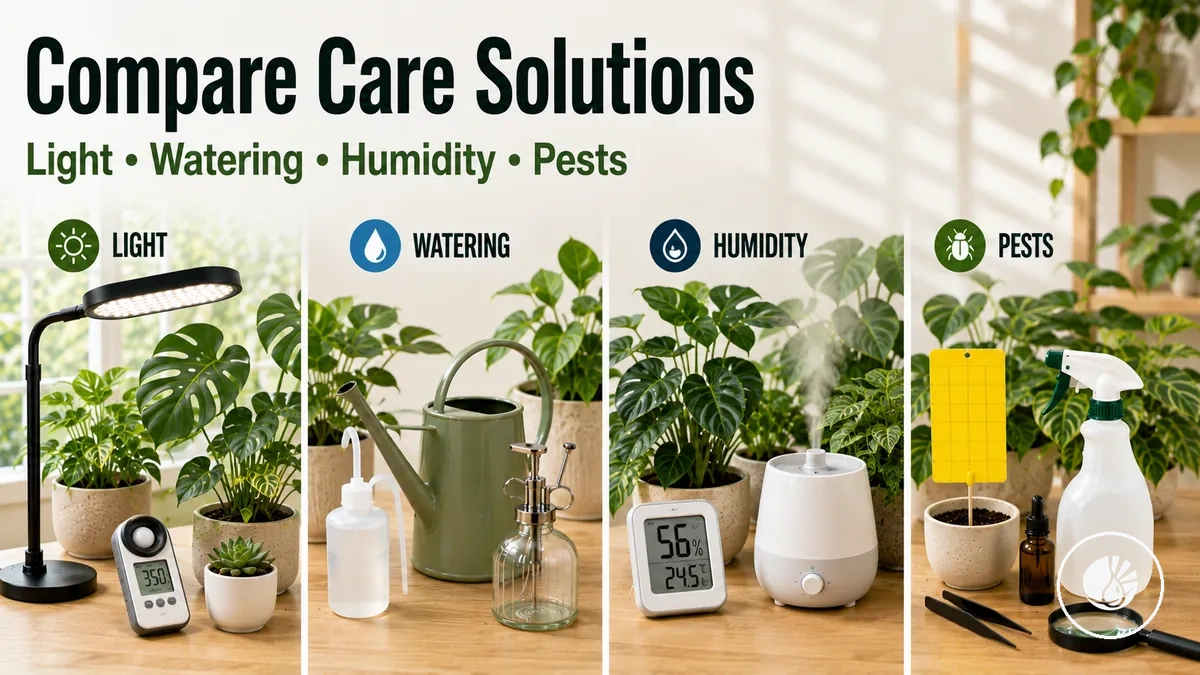
Indoor Tropical Plant Care Solutions Compared by Care Need
Indoor tropical plant care solutions depend on the care need that is limiting the plant, not on a product list. The comparison should start with the condition that needs support, such as light, water, humidity, root zone, pest pressure, or maintenance consistency. The right decision can vary by plant type, room condition, potting setup, and care history.
A care need is the specific condition that affects how an indoor tropical plant responds to its environment. indoor tropical plant care solutions are support tools or care supplies used to address that condition through a suitable solution category. A fit condition explains when a tool type is relevant, while the decision outcome explains whether the user should compare lighting support, watering control, humidity support, root-zone supplies, pest-control supplies, or routine maintenance tools.
Comparison begins with the care problem before moving into tool categories. A plant part, symptom, or room condition can point to a likely need, but it should be checked before choosing a solution category. This keeps the decision practical without treating any tool as a certain result or universal answer.
Care Needs That Determine the Right Indoor Tropical Plant Solution
The care need controls the solution choice because indoor tropical plant care solutions depend on the affected plant part, the condition involved, and the change that is needed. A light, water, humidity, root-zone, pest, or routine care issue should be identified before any solution category is compared.
Care Needs That Determine the Right Indoor Tropical Plant Solution can be organized by matching a care need with a symptom or situation, then connecting that condition to a solution category and decision implication. The diagram below organizes those relationships before the table filters observations into practical comparison criteria.
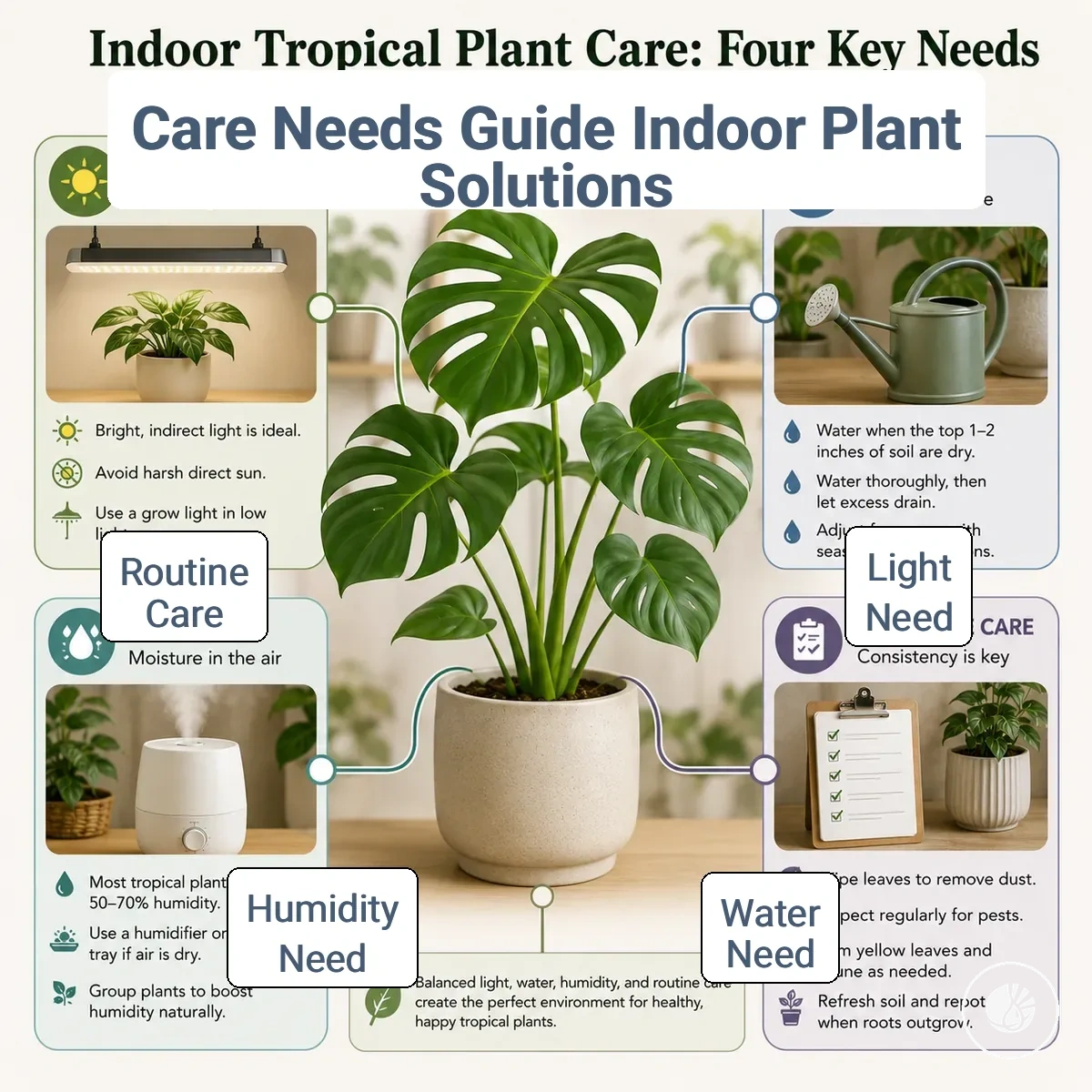
| Care need | Visible or situational cue | Solution category | Decision implication |
|---|---|---|---|
| Light | Limited exposure or a condition linked to placement | Lighting support | Evaluate light-focused options before comparing unrelated support categories. |
| Water | Inconsistent moisture conditions or watering patterns | Watering and moisture-management tools | Focus on water-control needs before considering other tool categories. |
| Humidity | Dry-air conditions around foliage | Humidity support | Compare humidity-related solutions when air moisture is the limiting condition. |
| Root-zone | Drainage, potting, or root-area concerns | Root-zone support supplies | Prioritize root-zone conditions when the affected plant part is below the soil surface. |
| Pest | Visible signs that may indicate pest activity | Pest-management support category | Check the condition first because similar symptoms can have more than one cause. |
| Routine care | Missed checks or inconsistent maintenance consistency | Routine care tools | Prioritize consistency when the need is ongoing support rather than correction. |
A visible symptom may relate to more than one care need, so diagnosis can be necessary before selecting a solution category. When the condition is unclear, checking the affected plant part and surrounding environment can help prevent an unsuitable decision.
Routine care needs versus corrective care needs
Routine care needs versus corrective care needs differ because routine care supports ongoing stability through consistency, while corrective care responds to a developing problem identified through a symptom. Routine care emphasizes monitoring and prevention, whereas corrective care emphasizes checking a condition and selecting an appropriate intervention. These different need types lead to different tool priorities.
| Routine care | Corrective care |
|---|---|
| Supports ongoing stability through consistency and monitoring. | Responds to a developing problem identified through a symptom. |
| Uses prevention tools that support regular care practices. | Uses corrective tools that support intervention after a plant issue is observed. |
| Priority is prevention and reducing risk through consistent care. | Priority is checking the symptom and choosing an appropriate response. |
Routine care may help reduce the likelihood of certain plant issues when consistency is maintained, but routine care does not address every visible symptom. Corrective care focuses on intervention after a symptom appears, yet corrective tools do not replace the ongoing stability that routine care and monitoring can support.
Single-tool gaps versus full setup gaps
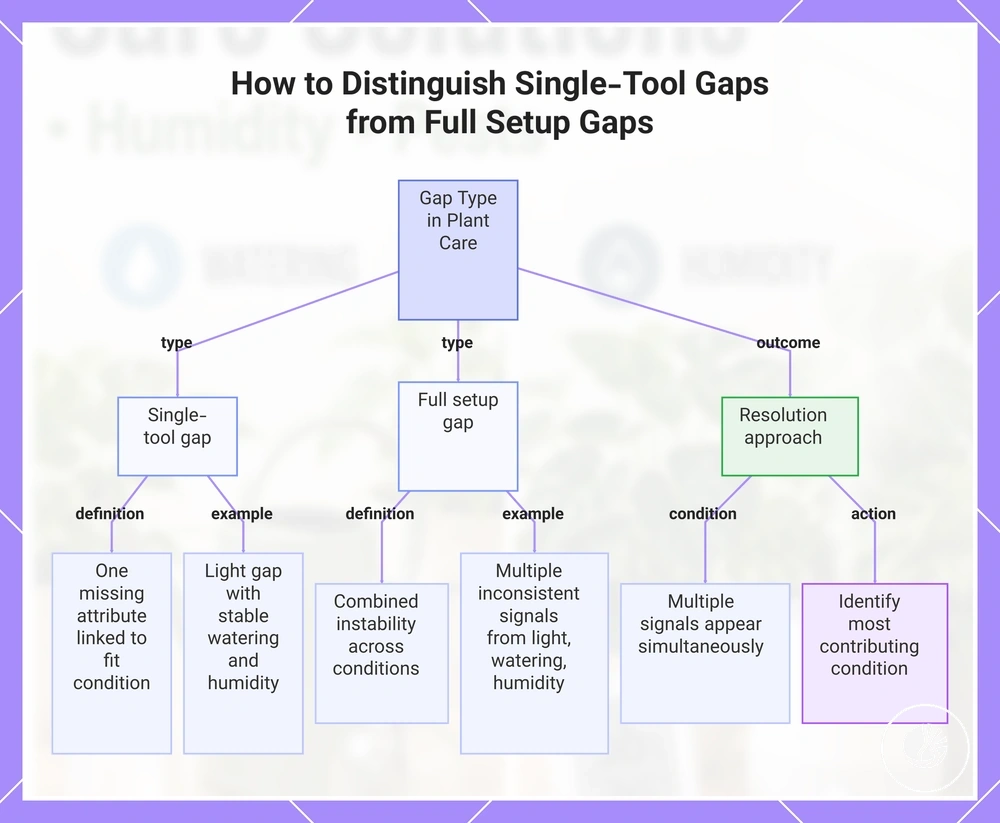
Single-tool gaps versus full setup gaps depend on the scope of the limiting condition within the care setup. A single-tool gap may be appropriate when one missing attribute is clearly linked to a fit condition, while a full setup gap involves combined instability across multiple conditions that influence the decision together. The checklist below helps determine whether the gap is isolated or affects the broader care environment.
- Is one missing attribute clearly connected to the limiting condition?
- Does the care setup remain stable outside the identified tool gap?
- Are light, watering, and humidity showing multiple inconsistent signals?
- Does the fit condition point to one-tool support or a broader setup mismatch?
A plant with one clear limit, such as a light-related gap while watering and humidity remain consistent, may indicate a single-tool gap. A plant showing combined instability across light, watering, and humidity conditions may indicate a full setup gap that requires reviewing multiple limiting conditions before choosing a solution. When multiple signals appear at the same time, the decision may depend on identifying which condition is contributing most to the overall care setup imbalance.
This chart distinguishes between single-tool and full setup gaps in plant care, showing their definitions, examples, and how to resolve when multiple signals appear.
Light and Humidity Solutions Compared
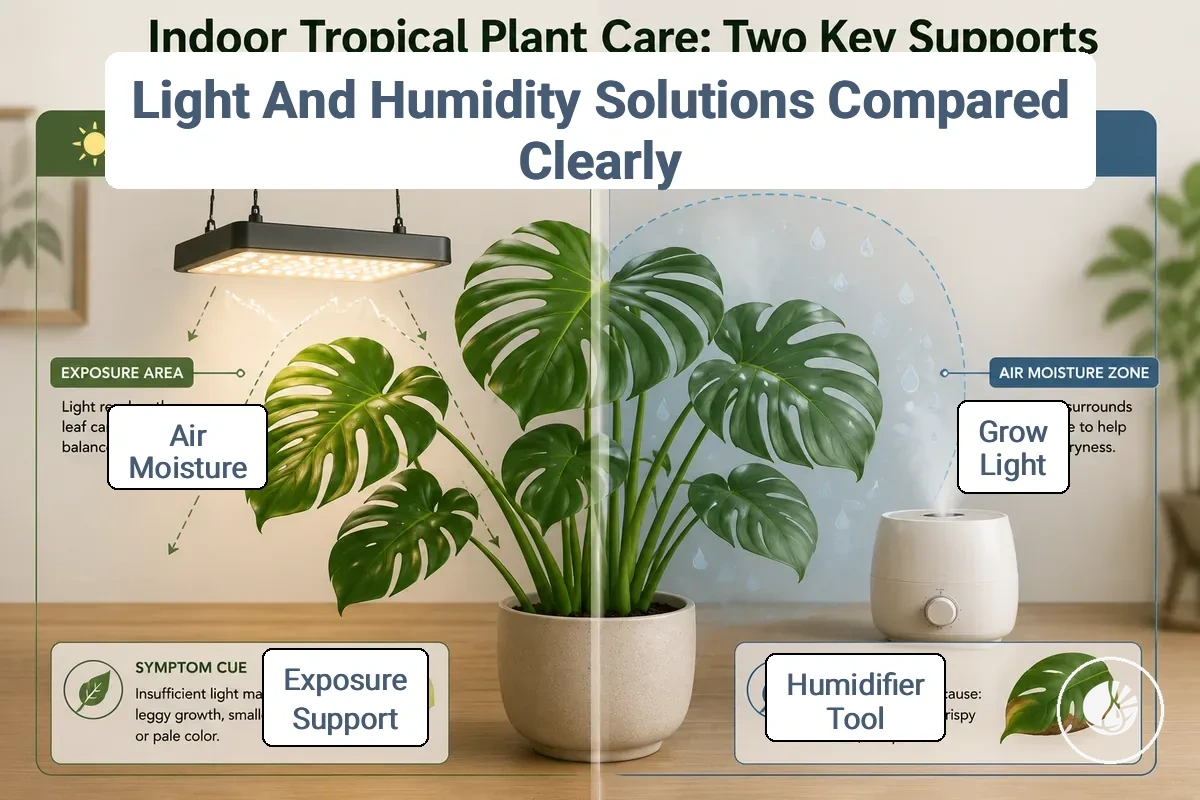
Light and humidity solutions address different environmental limits: a light solution supports exposure, while a humidity solution supports air moisture around foliage. A grow light is relevant when weak exposure is the limiting condition, while a humidifier is relevant when dry indoor air is the stronger fit condition.
Light and Humidity Solutions Compared shows the difference between exposure support and air-moisture support so weak-light symptoms are not confused with dry-air symptom cues. The graphic below compares the visible role of a grow light near the plant with a humidity tool that affects the surrounding foliage area.
| Solution | Main environmental attribute | Best-fit condition | Limitation or risk |
|---|---|---|---|
| Grow light | Exposure | Weak light, poor placement, or growth response that may relate to low exposure | May not address dry indoor air, watering problems, or root-zone limits. |
| Humidifier | Air moisture around foliage | Dry indoor air or foliage stress that may relate to low air moisture | May not improve exposure when light is the main environmental limit. |
A light tool should be compared when exposure, placement, and growth behavior point toward a light-related limit. A humidity tool should be compared when dry indoor air, foliage condition, and air-moisture coverage make humidity the more relevant support category.
Use light-related care needs when exposure is the main comparison path, and use humidity-related care needs when air moisture around foliage is the clearer environmental limit.
Grow lights for weak exposure and slow growth
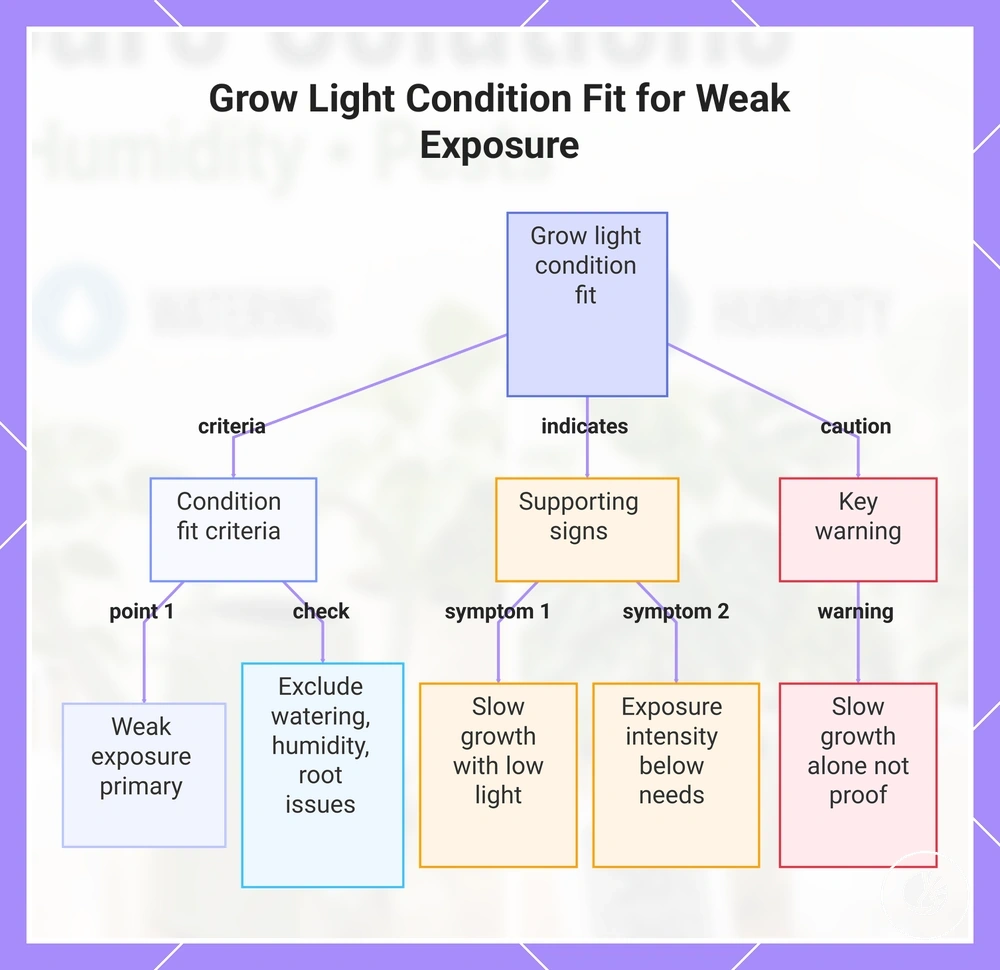
Grow light compatibility depends on whether weak exposure is the limiting condition behind slow growth rather than treating lighting as a universal upgrade. A grow light may provide useful lighting support when available exposure is limited and the condition fit points to insufficient light reaching the plant.
The checklist below helps determine whether a grow light matches the plant's limiting condition:
- Weak exposure appears more relevant than other care limitations.
- Slow growth may coincide with low light availability.
- Exposure intensity appears lower than the plant's needs.
- Distance, timing, and placement may affect how much supplemental light reaches the plant.
- The condition fit points toward a light-related constraint rather than a watering, humidity, or root-zone issue.
A grow light supports exposure by adding supplemental light, but growth response can vary by exposure intensity, distance, timing, and placement. When weak exposure is the primary limiting condition, a grow light may help support more consistent growth behavior, while slow growth alone should not be treated as proof that additional lighting is required.
This chart shows the key criteria to check whether a grow light is suitable when weak exposure is the suspected limiting condition for slow growth.
Humidifiers and misters for dry indoor air
Humidifier and mister compatibility depends on whether dry indoor air around tropical foliage requires broader air-moisture support or only brief leaf-surface wetting. A humidifier may fit when the humidity attribute across a larger coverage area is the limiting condition, while a mister may fit when short-term moisture on foliage is the intended support.
The contrast below distinguishes room humidity support from brief leaf wetting:
| Humidifier | Mister |
|---|---|
| Supports the humidity attribute across a wider coverage area. | Provides brief wetting on the leaf surface. |
| Relevance depends on room humidity conditions, airflow, and coverage area. | Relevance depends on frequency and the condition of the foliage. |
| May help when dry indoor air affects the surrounding environment. | Has a limited role and may not address room-wide dry indoor air. |
A humidifier and a mister serve different humidity tool roles even when both are used around tropical plants. Dry indoor air, airflow, coverage area, frequency, and foliage condition influence condition fit, and the appropriate choice depends on the specific air-moisture support need rather than a universal tool preference.
When light and humidity tools solve different limits
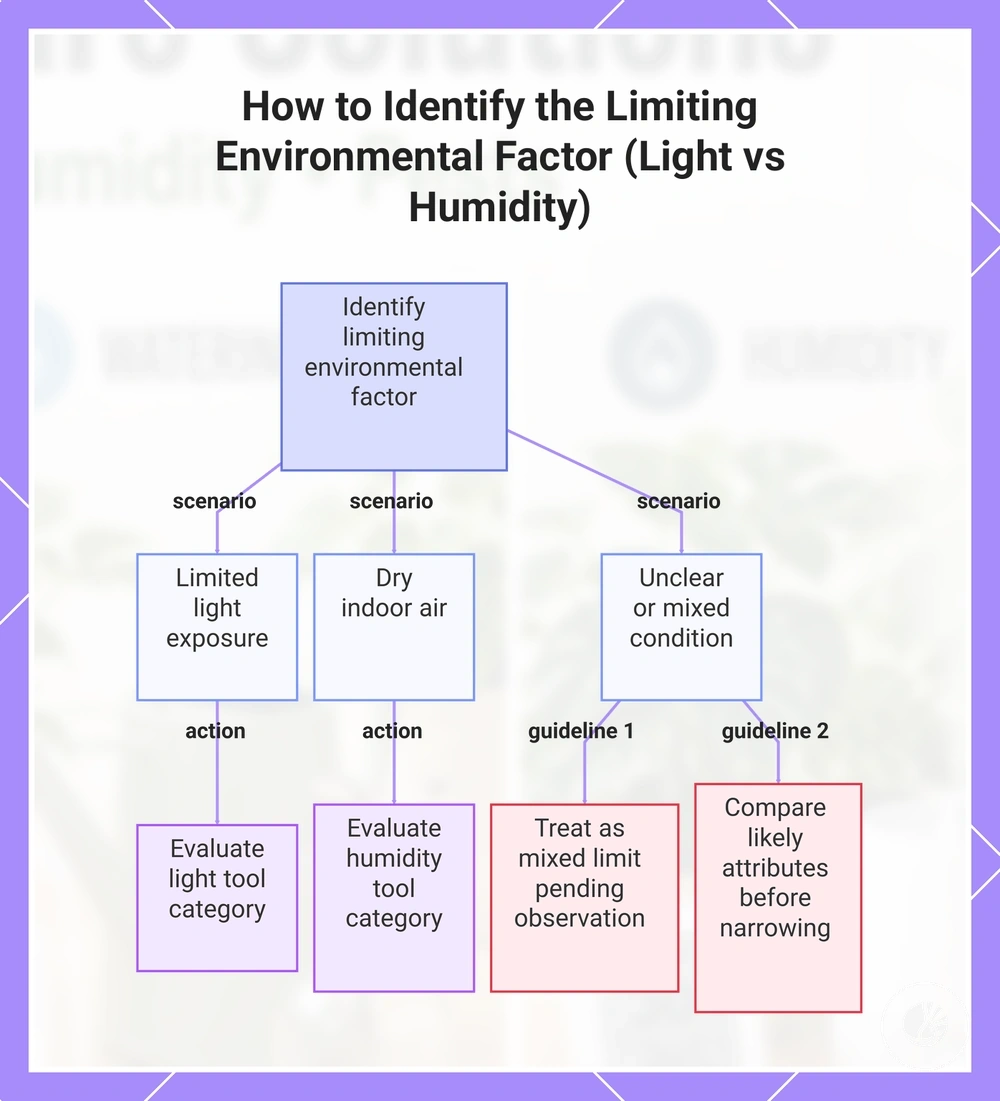
The limiting condition depends on whether the environmental limit is exposure-related, air-moisture-related, or a mixed limit. Similar plant stress can come from different environmental limits, so the deciding factor is usually the room condition and supporting observations rather than a single symptom.
The checklist below helps determine which environmental attribute should be compared next:
- If the room condition suggests limited light exposure, the likely limiting attribute may be exposure-related, and the next comparison action is to evaluate a light-focused tool category.
- If the room condition suggests dry indoor air around foliage, the likely limiting attribute may be air-moisture-related, and the next comparison action is to evaluate a humidity-focused tool category.
- If a symptom could relate to both low light and dry air, treat it as a mixed limit until additional observation provides a clearer direction.
- If the symptom appears without a clear room condition, avoid treating a single symptom as proof of the limiting condition.
- If multiple environmental signals appear together, compare the likely attributes first before narrowing the tool category.
A symptom may indicate a possible care limit, but the room condition provides stronger criteria for deciding whether the next comparison should focus on exposure, air moisture, or a mixed limit. This criteria-based approach helps identify the most relevant tool category without turning one visible sign into an exact diagnosis.
This chart shows the decision process for identifying whether light exposure or air moisture is the limiting environmental factor, based on room condition and supporting observations.
Watering Tools, Moisture Meters, and Schedules Compared
Watering Tools, Moisture Meters, and Schedules Compared depends on how water delivery, measurement, and routine timing support watering decisions. Watering decisions depend on soil moisture behavior, drainage, plant demand, and caretaker consistency, so each watering approach serves a different purpose.
Watering Tools, Moisture Meters, and Schedules Compared below contrasts watering control, soil moisture checking, and watering routine planning to show when each approach may be most useful.
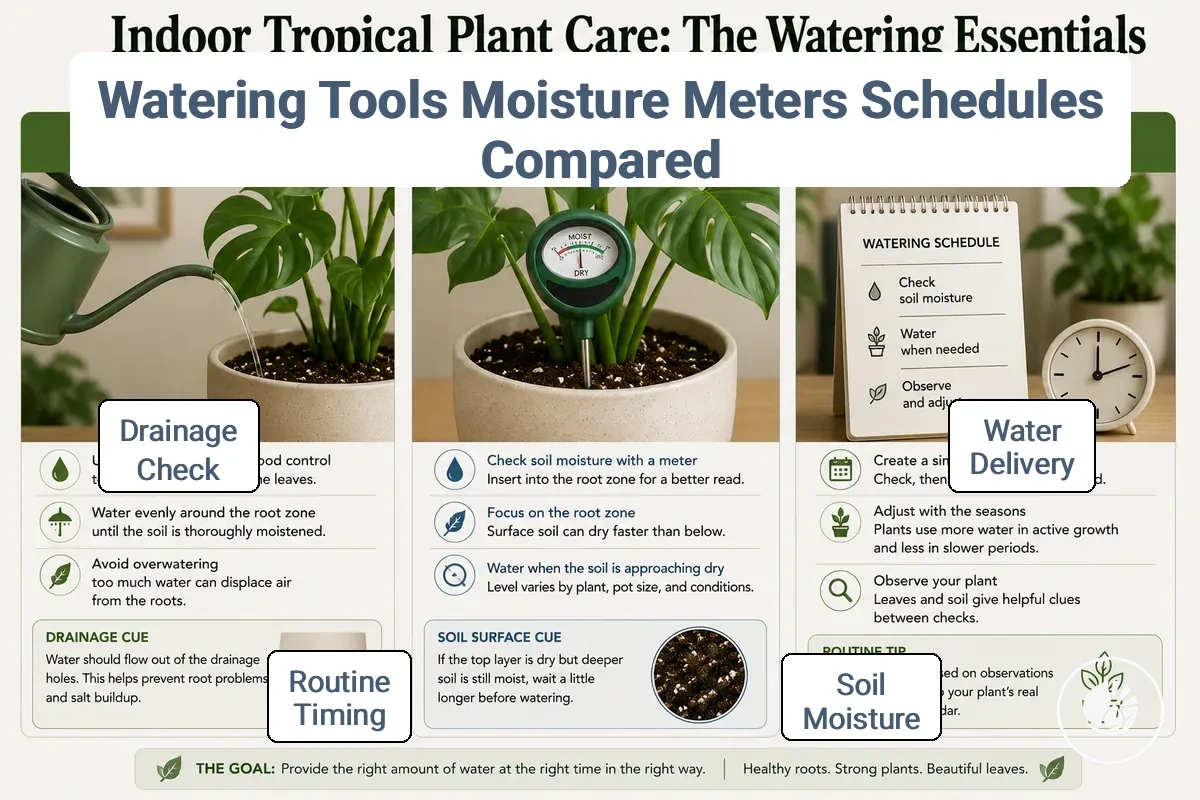
| Watering approach | What it controls | When it helps | Main risk |
|---|---|---|---|
| Watering tool | Water delivery and pour control | When drainage, pot size, and plant demand require more controlled watering | May contribute to overwatering or underwatering if soil moisture is not checked. |
| Moisture meter | Measurement of soil moisture | When a soil check is needed before adjusting a watering routine | Readings may vary with pot mix conditions and should not replace observation. |
| Watering schedule | Routine timing and caretaker consistency | When regular monitoring supports ongoing care | May become less reliable when room condition, drainage, or plant demand changes. |
Soil moisture, drainage, and routine timing influence one another, so a watering approach should match the condition being evaluated. A watering aid focuses on delivery control, while a moisture checker focuses on measurement when soil moisture is uncertain.
When a moisture meter reading or soil check differs from a watering schedule, measurement should usually guide the next decision because plant demand and room condition can change over time. For broader comparison criteria, review watering-related care needs before evaluating specific watering approaches.
Watering cans for controlled indoor watering
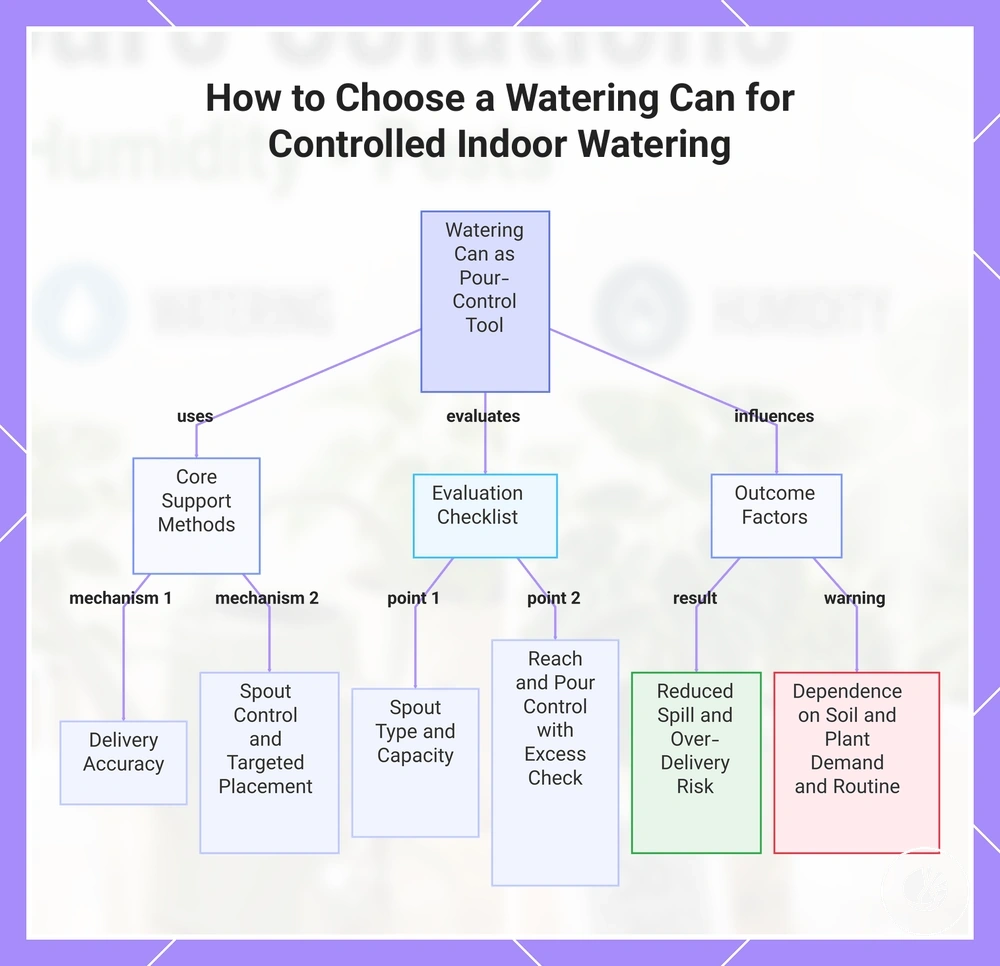
A watering can supports controlled watering through delivery accuracy, spout control, and targeted water placement rather than moisture diagnosis. Controlled indoor watering depends on spout type, capacity, reach, and pour control so water can be directed to the potting area with less spill or over-delivery risk.
For controlled indoor watering, use the checklist below to assess condition fit:
- Match the spout type to the pot size and indoor placement for more precise delivery.
- Choose a capacity that suits the amount of water typically applied during a watering session.
- Consider reach when plants are placed on shelves, stands, or difficult-to-access locations.
- Use pour control to improve delivery accuracy and reduce spill risk around containers.
- Check whether the watering can supports controlled watering without encouraging excess water delivery.
A watering can functions as a pour-control tool, so its value comes from directing water more accurately. Reduced spill or over-delivery risk may improve watering control in suitable conditions, but watering outcomes still depend on soil moisture, plant demand, and the existing routine.
This chart shows how a watering can supports controlled indoor watering through its pour-control function, key attributes to assess, and outcome considerations.
Moisture meters versus fixed watering schedules
Moisture meters versus fixed watering schedules differ because a moisture meter uses a soil moisture reading to support watering timing decisions, while a fixed watering schedule relies on an assumed routine. Soil moisture can vary by pot mix, season, and room condition, so the reliability of each method depends on how closely it reflects current conditions.
| Moisture meter | Fixed watering schedule |
|---|---|
| Uses a measured attribute through a moisture reading. | Uses an assumed attribute based on a watering routine. |
| Reliability depends on soil moisture conditions, pot mix, and reading context. | Reliability depends on whether the schedule reflects changing conditions. |
| Can support watering timing decisions when current soil conditions are checked. | Can support caretaker consistency when conditions remain relatively stable. |
| Decision risk may increase if a reading is used without considering other growing conditions. | Decision risk may increase if season or room condition changes are not reflected in the schedule. |
Pot mix, season, and room condition can influence soil moisture behavior and affect reliability. A moisture meter may provide a useful reference when conditions change, while a fixed watering schedule may remain useful when adjustments are made to reflect changing environmental conditions rather than relying on the same pattern over time.
Self-watering tools for routine gaps and travel needs
Self-watering tools for routine gaps and travel needs depend on whether a routine gap, travel need, and plant water demand create a situation where supplemental water delivery may be useful. A self-watering tool can fit when watering is temporarily disrupted, but compatibility depends on reservoir behavior, release rate, pot compatibility, and growing conditions rather than serving as a default watering solution.
For travel watering support or an inconsistent routine, use the checklist below to evaluate condition fit:
- Check whether reservoir behavior aligns with the plant's typical water demand and growing environment.
- Review the release rate because water delivery may vary with soil mix, room temperature, and plant uptake.
- Confirm pot compatibility so the self-watering tool can function appropriately with the container setup.
- Consider whether the routine gap or travel need is temporary or recurring before relying on a reservoir tool.
- Monitor for overwatering or under-supply risk because water availability can change with growing conditions.
A self-watering tool is most useful as travel watering support or a routine-gap aid rather than a replacement for watering judgment. Duration and water supply can vary by pot size, soil mix, room temperature, reservoir behavior, and plant uptake, so periodic observation may still be helpful.
Repotting, Pest-Control, and Maintenance Supplies Compared
Repotting, Pest-Control, and Maintenance Supplies Compared depends on which care constraint remains after environmental conditions and watering factors have been evaluated. These secondary care categories support different needs because repotting supplies relate to the root zone and drainage, pest-control supplies relate to inspection and pest evidence, and maintenance supplies support routine function through ongoing care activities.
| Supply category | Care need | When it helps | What to avoid |
|---|---|---|---|
| Repotting supplies | Root zone and drainage support | When observation suggests root-zone or drainage-related concerns | Assuming repotting is needed without observation |
| Pest-control supplies | Pest evidence and containment support | When inspection identifies signs that may relate to pest activity | Using corrective supplies without confirming pest evidence |
| Maintenance supplies | Routine function and care support | When observation supports ongoing monitoring or upkeep needs | Using routine tools instead of assessing plant conditions |
Each supply category supports a different decision path. Repotting supplies address root zone and drainage conditions, pest-control supplies address inspection findings and pest evidence, and maintenance supplies support routine function through regular observation and care activities.
Corrective supply choices are usually more appropriate after observation identifies a specific care constraint. Selecting repotting supplies, pest-control supplies, or maintenance supplies before confirming the underlying condition may increase the risk of choosing a category that does not match the plant's actual need.
Repotting supplies for root-zone and drainage needs
Repotting supplies depend on whether the root-zone, potting mix, or drainage setup is limiting care. A repotting supply may be selected when soil condition, pot fit, or drainage performance affects watering control and the root environment, but condition fit should guide the decision rather than treating repotting as the safest first response.
For root-zone and drainage needs, use the checklist below to assess condition fit:
- Check whether the potting mix supports the current root-zone condition and watering control requirements.
- Review whether the pot and drainage setup allow water movement that matches plant demand.
- Assess whether soil condition contributes to drainage limitations or root-environment concerns.
- Consider whether a handling attribute, such as container design or ease of movement, affects ongoing care.
- Confirm that repotting supplies address the identified condition rather than a different care constraint.
Repotting supplies support decisions involving soil, pot, drainage setup, and handling attributes. When root-zone conditions or drainage concerns limit care, suitable potting supplies may help support watering control and the root environment, although outcomes can vary with plant condition and growing circumstances.
Pest-control supplies for inspection and early containment
Pest-control supplies support inspection, early detection, and containment when visible evidence indicates a potential pest-risk condition. Inspection tools, trapping tools, cleaning tools, and containment supplies should match the observed condition and plant safety requirements, while any containment response depends on the visible evidence and plant condition.
Plant safety matters because pest tools should be selected according to visible evidence rather than assumptions. Use the checklist below before choosing pest-control supplies:
- Confirm visible evidence through inspection before selecting trapping, cleaning, or containment supplies.
- Match trapping tools to early signs that may indicate pest activity.
- Use cleaning tools when leaf-surface conditions suggest a need for closer inspection.
- Consider whether containment may help limit spread when a pest-risk condition is observed.
- Check that pest-control supplies support plant safety and avoid relying on guaranteed outcomes.
Pest-control supplies are most effective as inspection and early-containment aids. The relevance of trapping, cleaning, or containment depends on visible evidence, plant condition, and safety considerations rather than broad treatment assumptions.
Maintenance tools for pruning, cleaning, and routine checks
Maintenance tools support pruning, cleaning, inspection, and routine checks by helping with regular observation and care tasks. These maintenance tools assist with monitoring plant condition and task-based upkeep, but they do not replace core light, water, humidity, or soil decisions.
Use the checklist below to evaluate how maintenance tools support routine observation and monitoring:
- Use pruning tools when a task attribute involves routine plant maintenance and observation.
- Use cleaning tools when leaf surfaces benefit from cleaning and closer inspection.
- Use inspection tools to support routine checks and observation of plant condition.
- Match maintenance tools to the care condition being monitored rather than expecting prevention outcomes.
- Use routine checks to support monitoring and decision-making when plant conditions change.
Maintenance tools support pruning, cleaning, inspection, and observation tasks that may help with monitoring over time. These routine tools support prevention and monitoring decisions, but they do not fix underlying environmental or root-zone conditions.
Visible Plant Problems and the Solution Category They Point To
Visible Plant Problems and the Solution Category They Point To depends on treating a visible plant problem as a symptom that suggests a possible care need rather than proving a single cause. Leaf color, leaf edge condition, stem firmness, soil wetness, and pest evidence can indicate a comparison direction, but each visible cue should be checked against growing conditions before selecting a solution category.
The diagnostic table below maps common symptom signals to possible care needs while keeping diagnosis qualified and condition-based.
| Visible signal | Possible care need | Check before buying | Solution category to compare |
|---|---|---|---|
| Leaf color change | Possible light, watering, or humidity-related need | Check exposure, soil wetness, and surrounding conditions | Lighting, watering, or humidity categories |
| Leaf edge change | Possible humidity or watering-related need | Check leaf condition and soil moisture status | Humidity and watering categories |
| Reduced stem firmness | Possible watering or root-zone concern | Check soil wetness and overall plant condition | Watering and repotting categories |
| Unusual soil wetness | Possible drainage or watering-management need | Check drainage behavior and watering routine | Watering and repotting categories |
| Pest evidence | Possible inspection and containment need | Check visible evidence before selecting tools | Pest-control supplies |
When a symptom could indicate more than one possible care need, diagnosis should guide comparison before any tool choice is made. For additional clarification when visible signals remain ambiguous, review problem-solving care needs before comparing solution categories.
Leaf, stem, and soil signals that affect tool priority
When a leaf signal, stem signal, or soil signal appears, tool priority may change because each symptom signal can point toward a different likely care category. Leaf, stem, and soil observations act as priority cues for comparison, but one visible cue may relate to multiple conditions and should be checked before a decision is made.
Use the checklist below to connect observations with tool priority:
- A leaf signal affecting a plant part such as leaf color may indicate a likely care category related to light, watering, or humidity, with the implication that these categories deserve early comparison.
- A leaf signal affecting the leaf edge may indicate a likely care category related to watering or humidity, with the implication that surrounding conditions should be checked before assigning tool priority.
- A stem signal affecting stem firmness may indicate a likely care category related to watering or root-zone conditions, with the implication that additional observation should guide comparison priority.
- A soil signal affecting a soil attribute such as moisture level may indicate a likely care category related to watering or drainage, with the implication that watering and repotting categories may be compared first.
- When a symptom signal points to more than one possibility, the implication is to check conditions before treating a visible cue as a final diagnosis.
Problem symptoms that need diagnosis before buying tools
Problem symptoms that need diagnosis before buying tools depend on whether diagnosis has identified the limiting care need with enough clarity to support a safer buying decision. When a problem symptom has multiple possible explanations, uncertainty should create a diagnostic pause before buying tools because the tool choice depends on the condition being addressed.
Use the checklist below to separate pause and proceed decisions:
- Pause the purchase decision when a problem symptom may relate to more than one limiting care need and a check is still required.
- Pause buying tools when uncertainty remains about whether the condition relates to light, water, humidity, or root-zone factors.
- Use diagnosis and observation to reduce uncertainty before selecting a tool category.
- Proceed only when a check has clarified the limiting care need well enough to support a safer buying decision.
- Avoid treating a single symptom as one-symptom proof because an ambiguous signal may point to multiple conditions.
Plant Care Kits Versus Separate Tools
Plant Care Kits Versus Separate Tools depends on whether broader coverage or a targeted response to a known gap provides better decision value. A plant care kit may offer better fit when multiple care functions are missing, while separate tools may provide stronger value when a specific limiting need has already been identified.
Plant Care Kits Versus Separate Tools compares coverage, fit, waste risk, and redundancy to support a cost-value decision before considering individual products.
| Purchase path | Coverage strength | Mismatch risk | Best-fit condition |
|---|---|---|---|
| Plant care kit | Bundles multiple care attributes within one tool set | May include redundant items when existing tools already cover certain needs | Useful when multiple basic care functions require support |
| Separate tools | Targets a known gap with a more focused tool choice | May leave other care needs unaddressed if the diagnosis is incomplete | Useful when the limiting care need is already clear |
A care bundle may improve coverage when multiple functions are needed, but redundancy can reduce decision value if included items do not match current requirements. Separate tools may reduce waste risk when the need is specific, although fit still depends on an accurate diagnosis of the known gap.
When existing tools already address part of the care process, separate tools may provide better fit for a remaining gap. When care needs are mixed or uncertain, a plant care kit may offer broader coverage. Decision value depends on balancing coverage, fit, waste risk, and redundancy against the identified care need.
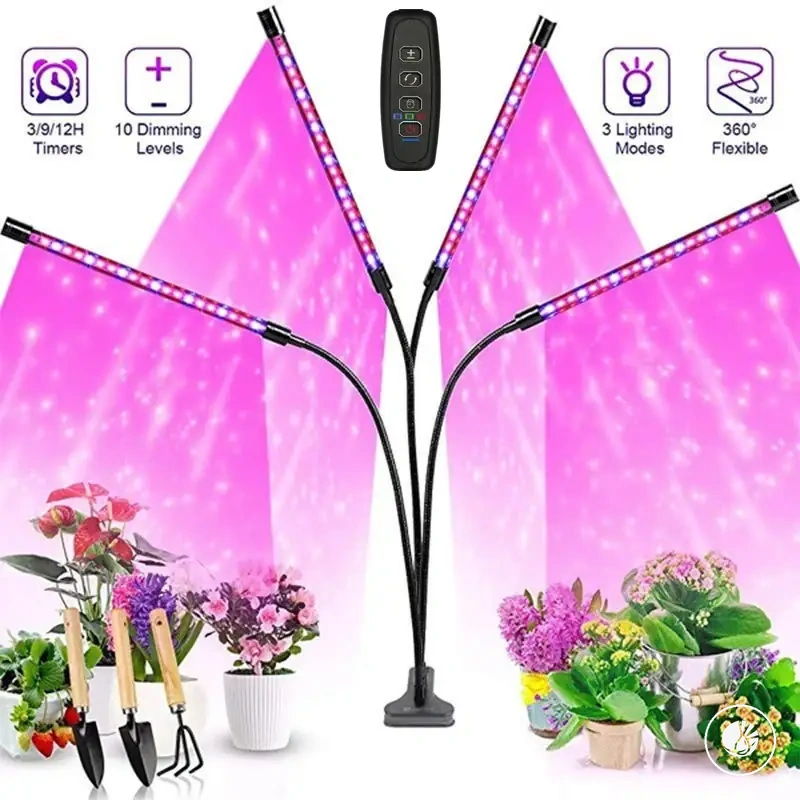
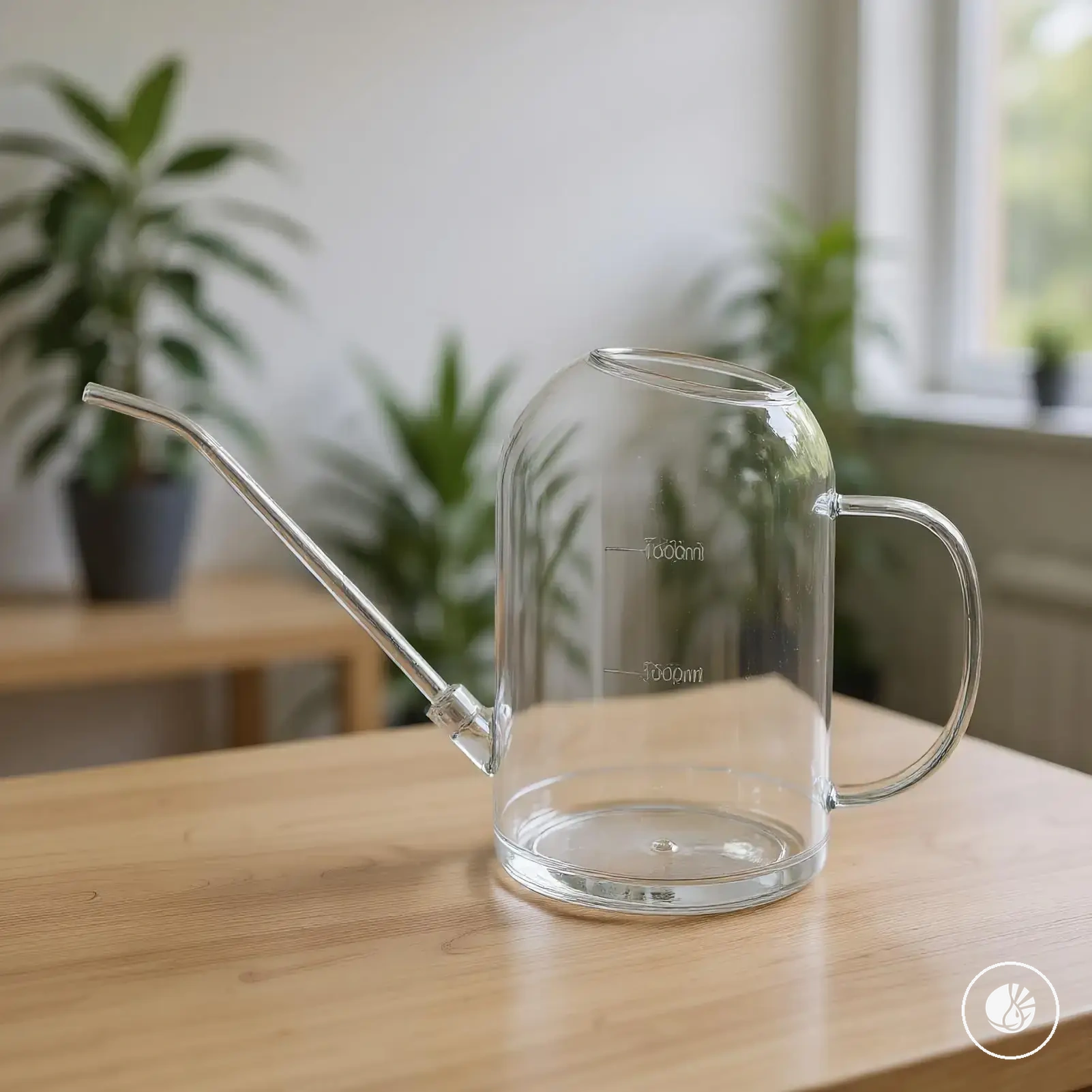
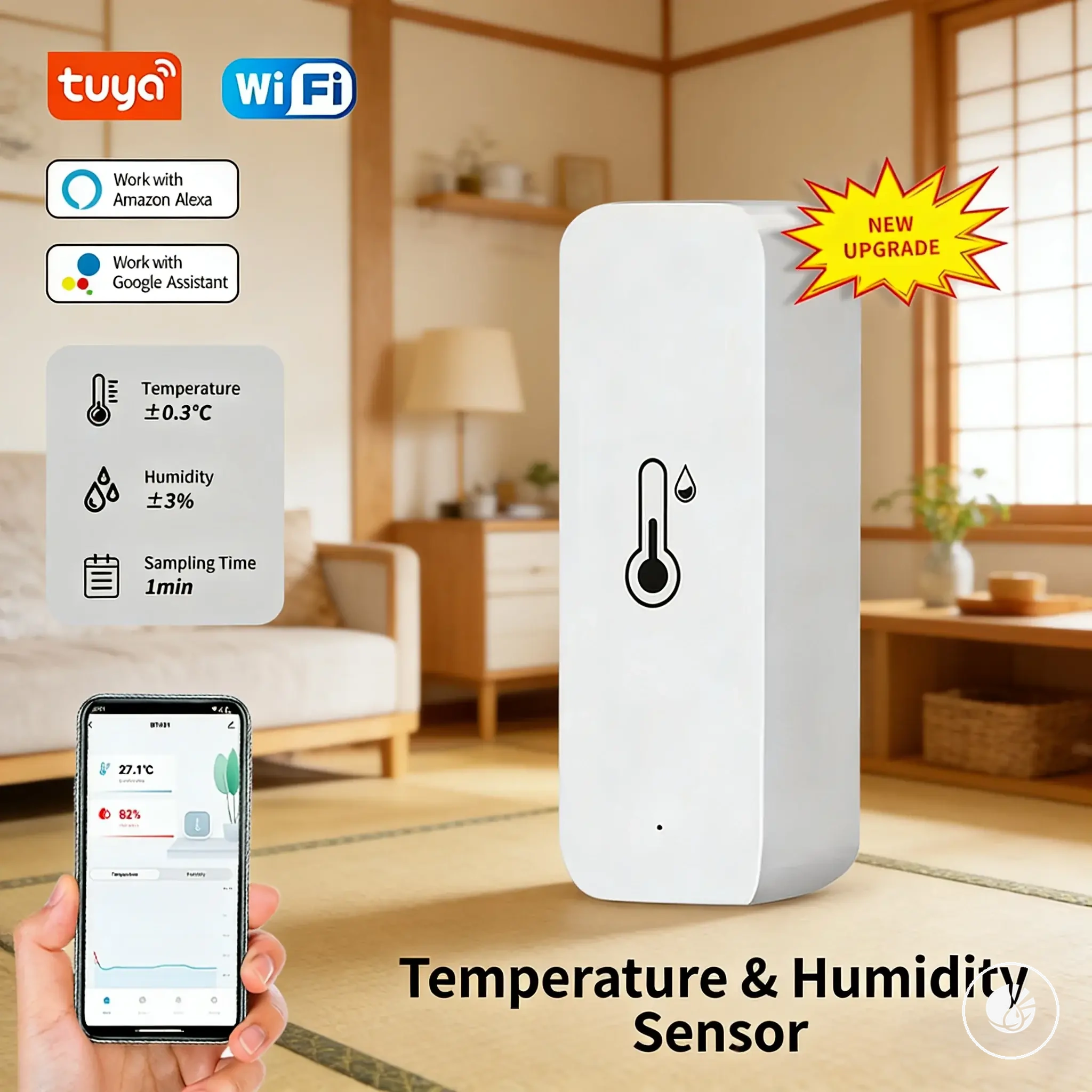
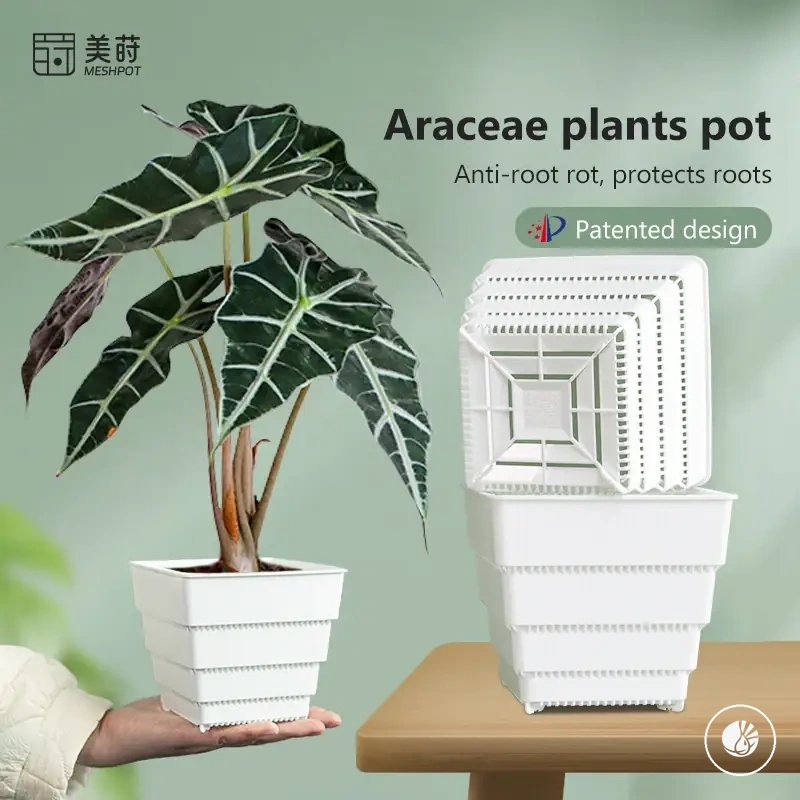
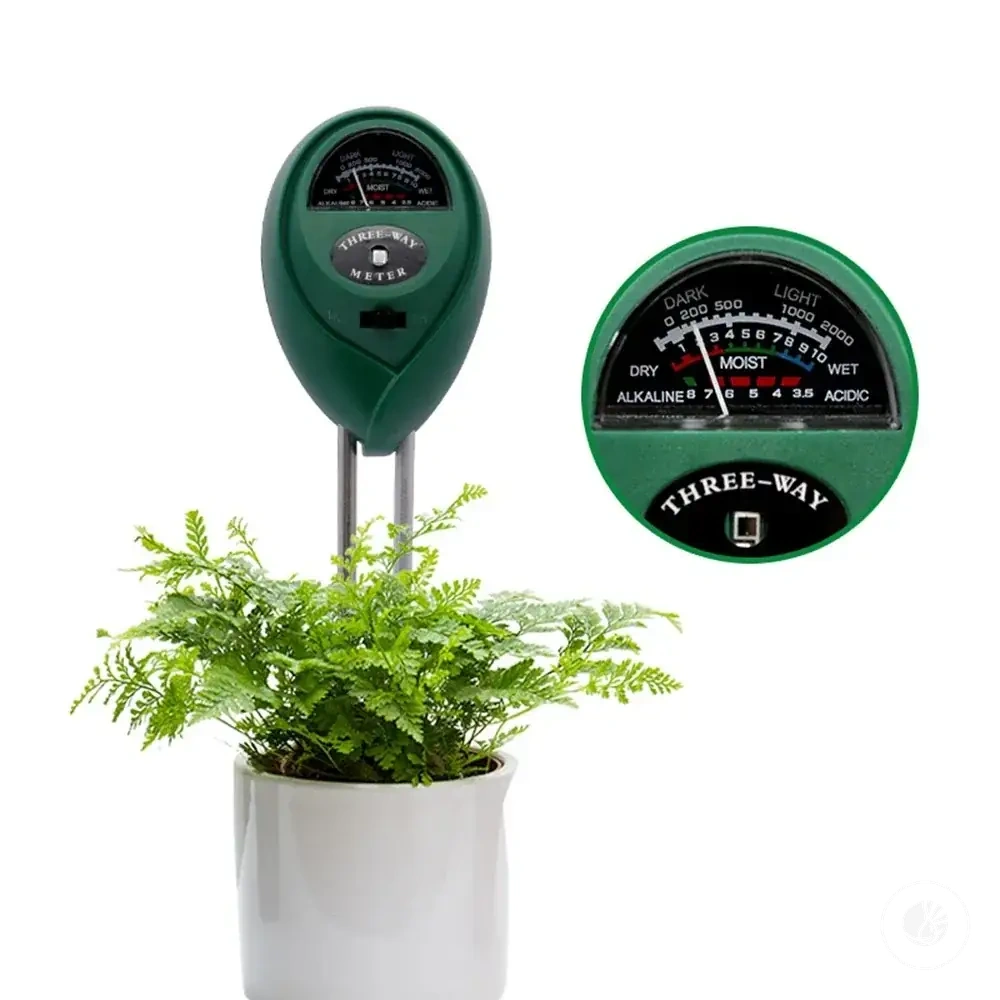
Here are product examples that may make comparison easier. Before buying, always review the compatibility criteria, essential features, and product details.
When a care kit gives better basic coverage
When a care kit gives better basic coverage depends on whether broad support is needed across multiple starter functions rather than one specialized tool. A care kit may offer better condition fit when included functions address light, water, humidity, maintenance, or basic monitoring needs together, and when user readiness favors wider support over a targeted solution.
Basic coverage is most relevant when multiple foundational needs remain unaddressed. Use the checklist below to assess fit:
- Choose a care kit when an included function supports more than one missing basic need.
- Consider coverage breadth when light, water, humidity, maintenance, and basic monitoring needs overlap.
- Evaluate user readiness to determine whether a care bundle matches current care requirements.
- Check whether included functions improve condition fit without creating unnecessary redundancy.
- Assess the value outcome based on actual needs rather than assuming a larger tool set provides greater value.
When separate tools fit the care need better
When separate tools fit the care need better depends on whether a specific care need has already been identified and linked to a known condition. Separate tools may provide better fit when a targeted attribute addresses a diagnosed need directly, which can reduce mismatch and may improve the waste outcome when broader coverage is unnecessary.
Precision is often more useful than added coverage when avoiding redundant items is part of the decision. Use the checklist below to assess fit:
- Choose separate tools when a diagnosed need points to one targeted attribute.
- Prioritize a targeted tool when the known condition is already clear.
- Compare existing tools before adding new items to reduce redundancy and waste outcome risk.
- Consider broader bundles only when the care need extends beyond a specific gap.
- Base the decision on condition fit and mismatch reduction rather than product-by-product ranking.
How to Choose the Best Solution for the Main Care Need
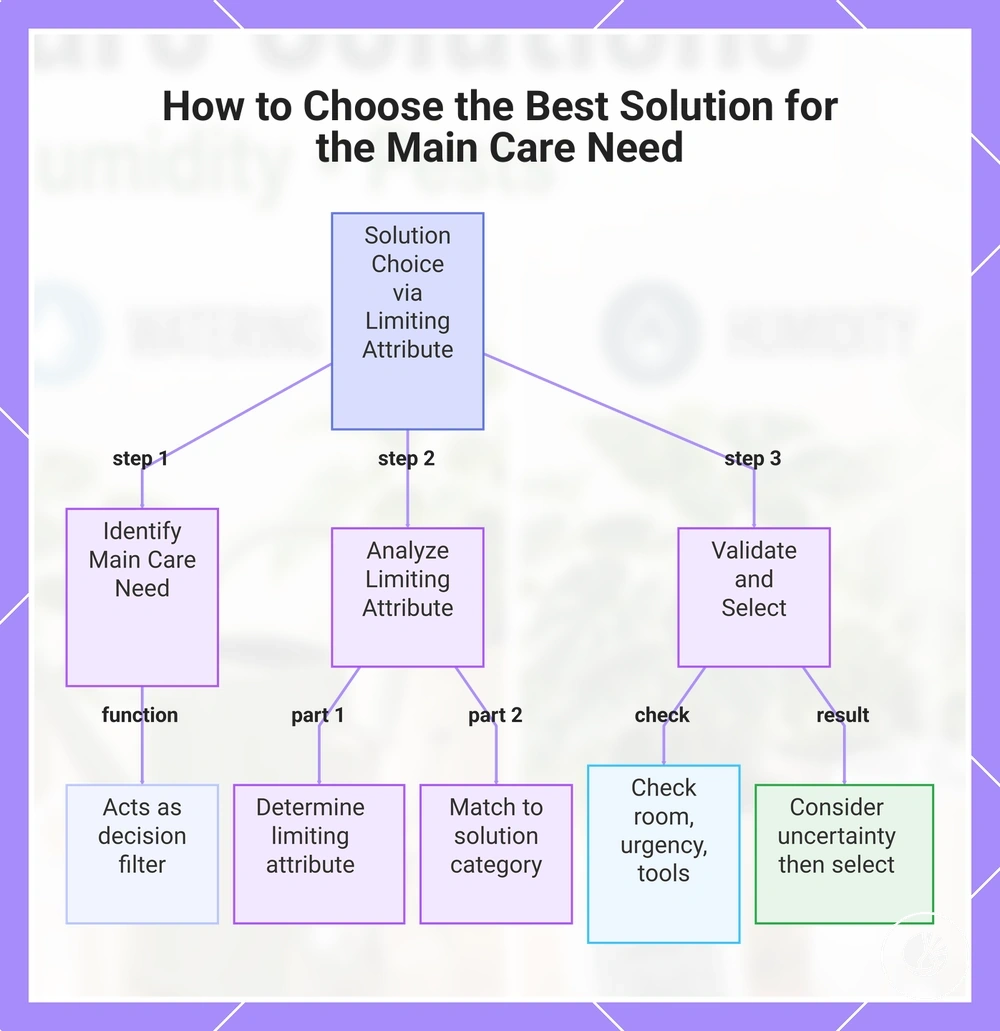
How to Choose the Best Solution for the Main Care Need depends on identifying the main care need and selecting the solution category that addresses the limiting attribute with the least mismatch. The purchase decision should begin with the condition that most directly limits plant care rather than with a preferred tool type.
The main care need acts as the decision filter. When a limiting attribute relates to watering, humidity, light, root-zone conditions, or maintenance requirements, the solution category should be chosen according to that condition before making a comparison decision.
A fit check should consider room conditions, existing tools, urgency, and plant response uncertainty. A solution category may provide a closer fit when it addresses the identified condition without adding functions that are already covered by existing tools.
Use the decision flow below to verify the next-step choice:
- Identify the main care need.
- Determine the limiting attribute affecting plant care.
- Match the limiting attribute to the most relevant solution category.
- Perform a fit check using room conditions, urgency, and existing tools.
- Consider plant response uncertainty before making the comparison decision.
- Select the next-step choice that may reduce mismatch for the identified condition.
For additional category-level comparison, review the care tools and kits buying guide. The final purchase decision depends on condition fit, comparison results, and any remaining plant response uncertainty.
Here are product examples that may make comparison easier. Before buying, always review the compatibility criteria, essential features, and product details.
This chart outlines the decision flow to select the best care solution by identifying the main care need, analyzing the limiting attribute, and validating with fit checks and uncertainty assessment.
Match the limiting condition before comparing products
Match the limiting condition before comparing products because the limiting condition is the first filter that determines which solution category is relevant to the care need. Product comparison should follow condition identification, since the relevant attribute and comparison filter depend on the condition that needs attention rather than on product characteristics alone.
Use the checklist below to keep product comparison aligned with the care need:
- Identify the limiting condition before starting a product comparison.
- Match the care need to the relevant attribute that requires support or adjustment.
- Select the solution category that corresponds to the identified condition.
- Use the solution category as the comparison filter before reviewing product options.
- Check symptom fit and purchase relevance before comparing attributes.
- Keep popularity, price, and bundle size secondary to condition fit and decision quality.
Prioritize tools that change the care outcome first
Prioritize tools that change the care outcome first because decision value depends more on a changeable care attribute than on the number of features. A tool category may provide greater support when its realistic condition fit aligns with the care outcome that needs attention, while additional features may add mismatch risk if they do not address that condition.
Use the checklist below for outcome-first selection:
- Start with the care outcome that requires support rather than the number of features.
- Match the tool category to the changeable care attribute connected to that outcome.
- Check realistic condition fit before assigning decision value to a useful feature.
- Prioritize tools that may influence the identified care limit when condition fit is present.
- Treat feature count as secondary when features do not contribute to the intended care outcome.