Indoor Tropical Plant Care Maintenance Checklist
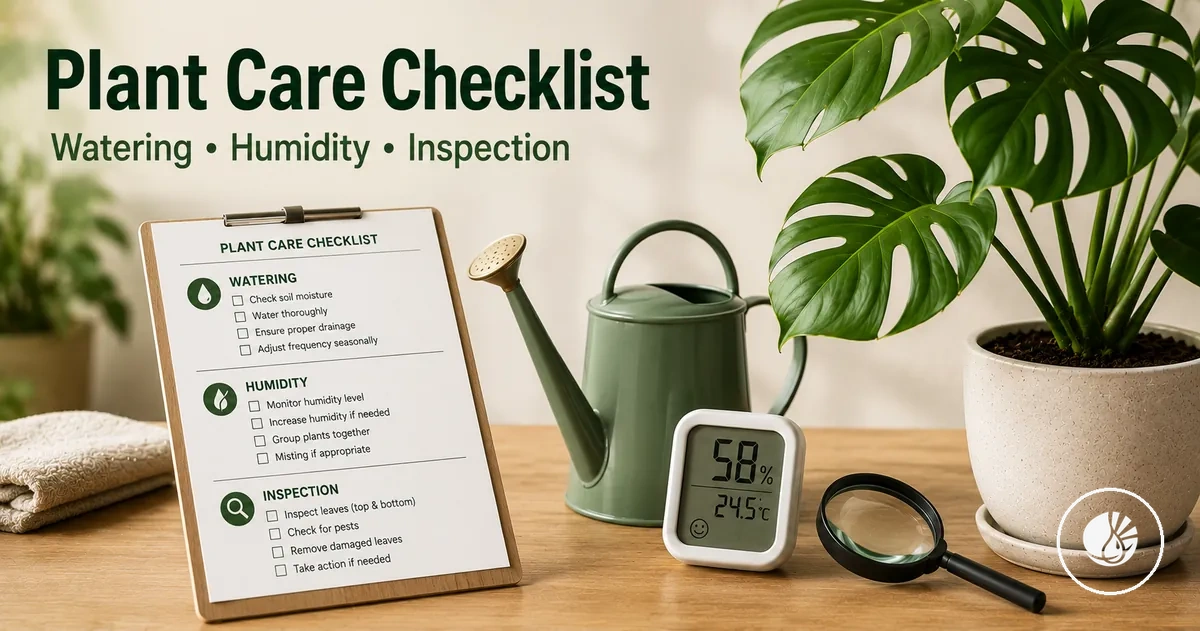
Indoor tropical plant care is a repeatable way to observe the plant, the potting setup, and the room condition before changing care. A maintenance checklist organizes those checks into a repeated observation system.
Missed care signals can make small changes harder to read later. When light, water, humidity, grooming, pest prevention, and tracking are checked together, the plant owner can notice patterns without assuming one visible change has one exact cause.
In a bright room, a plant may respond differently than it does in a dry corner, a shaded shelf, or a season with slower growth. Routine checks should record visible plant signals and simple conditions, while diagnosis belongs to deeper troubleshooting when symptoms spread or persist.
The Indoor Tropical Plant Care Maintenance Checklist gives a practical care frame, not a universal schedule. It helps connect routine frequency, plant response, room condition, and care tracking before the article moves into the maintenance scope.
The Indoor Tropical Plant Care Maintenance Checklist organizes the main care areas that should be observed together. Use it as an indoor plant checklist, then adjust each decision by plant type, season, potting setup, and visible response.
- Light: check whether the plant position, leaf direction, and room condition still support steady exposure without sudden movement.
- Water: verify moisture cues before watering, because the right decision can vary by pot size, soil condition, season, and recent plant response.
- Humidity: observe dry air cues, airflow, and leaf surface condition before assuming the plant needs a major environment change.
- Grooming: remove clearly spent material when appropriate, but avoid heavy pruning unless the plant condition supports it.
- Pest prevention: inspect leaves, stems, and soil surface for early signs without treating routine inspection as a complete pest-control process.
- Tracking: use a care journal or simple notes to connect routine checks with visible plant signals over time.
Indoor Tropical Plant Maintenance Scope
Maintenance scope defines the areas for routine maintenance that guide observation and small corrective actions without replacing deeper evaluation. It includes the plant, room environment, soil surface, leaves, watering cues, humidity, pests, grooming, feeding, and tracking. Indoor tropical plant maintenance scope ensures regular observation supports informed decisions.
Routine maintenance separates simple observation from diagnosis of complex issues. It focuses on detecting changes in plant condition and room environment, while deeper care or troubleshooting may be required for serious symptoms or seasonal changes. For broader context, see indoor tropical plant care solutions.
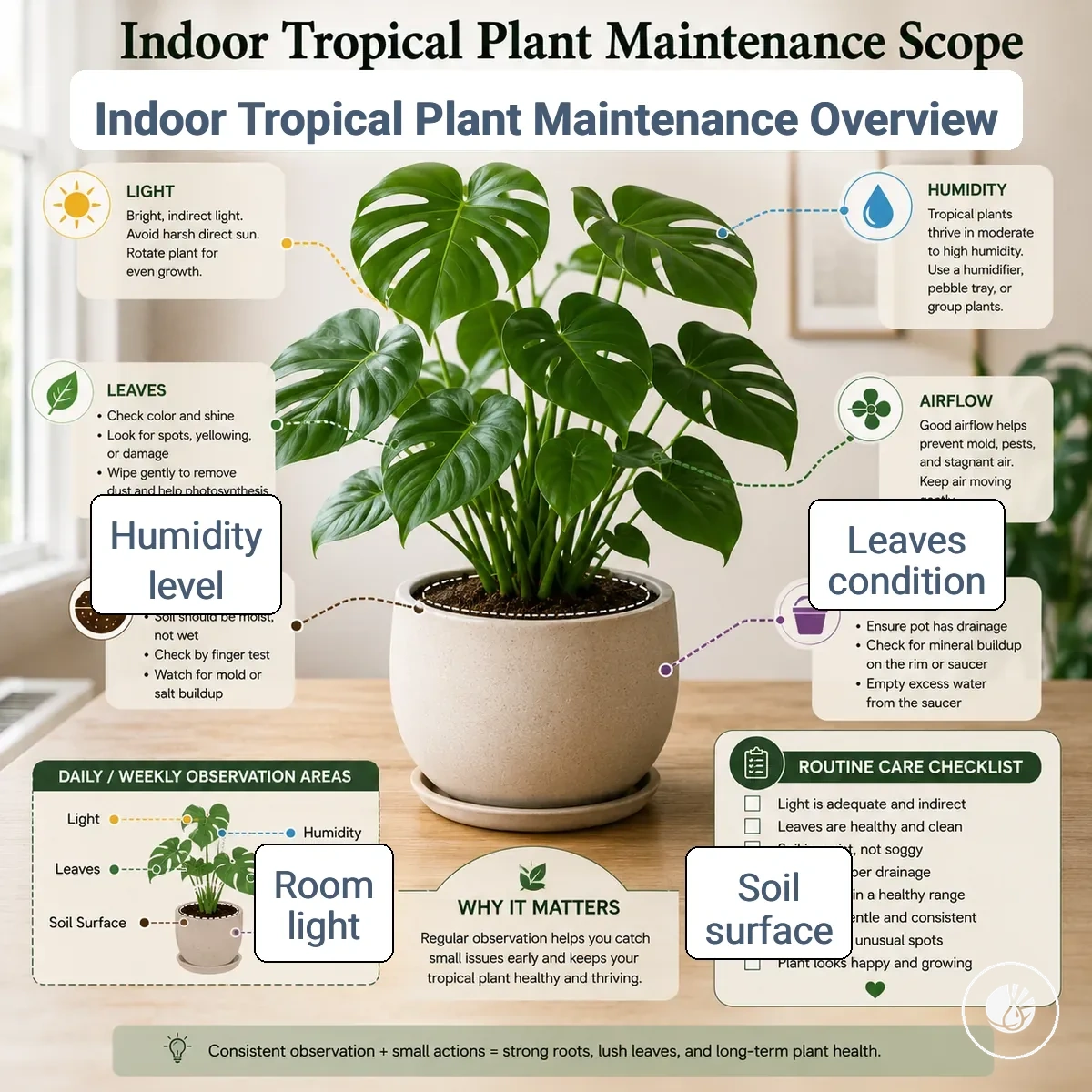
The Indoor Tropical Plant Maintenance Scope organizes routine care areas by condition and maintenance decision. The checklist below provides a concise overview without diagnosing every symptom.
- Leaves: observe visible condition and surface cues to guide grooming or attention to minor issues.
- Soil surface: observe moisture and appearance to guide watering decisions safely.
- Room environment: check light, airflow, and placement to support overall routine care adjustments.
- Humidity: note dryness or moisture cues to inform environmental adjustments.
- Pests: inspect for early signs to guide closer evaluation if needed.
- Feeding: observe growth and response to determine whether adjustments may be beneficial.
- Tracking: record observations and decisions to connect routine checks with plant response over time.
Daily Indoor Tropical Plant Checks
Daily checks are quick observations to detect visible changes in leaves, stems, soil surface, pot position, light exposure, air movement, and pest signs. These checks remain low-intervention and focus on observation rather than immediate action.
Minor variations in leaf color or soil moisture often occur naturally and do not always indicate problems. Daily checks help spot early cues safely and prepare the plant owner for appropriate responses before escalation.
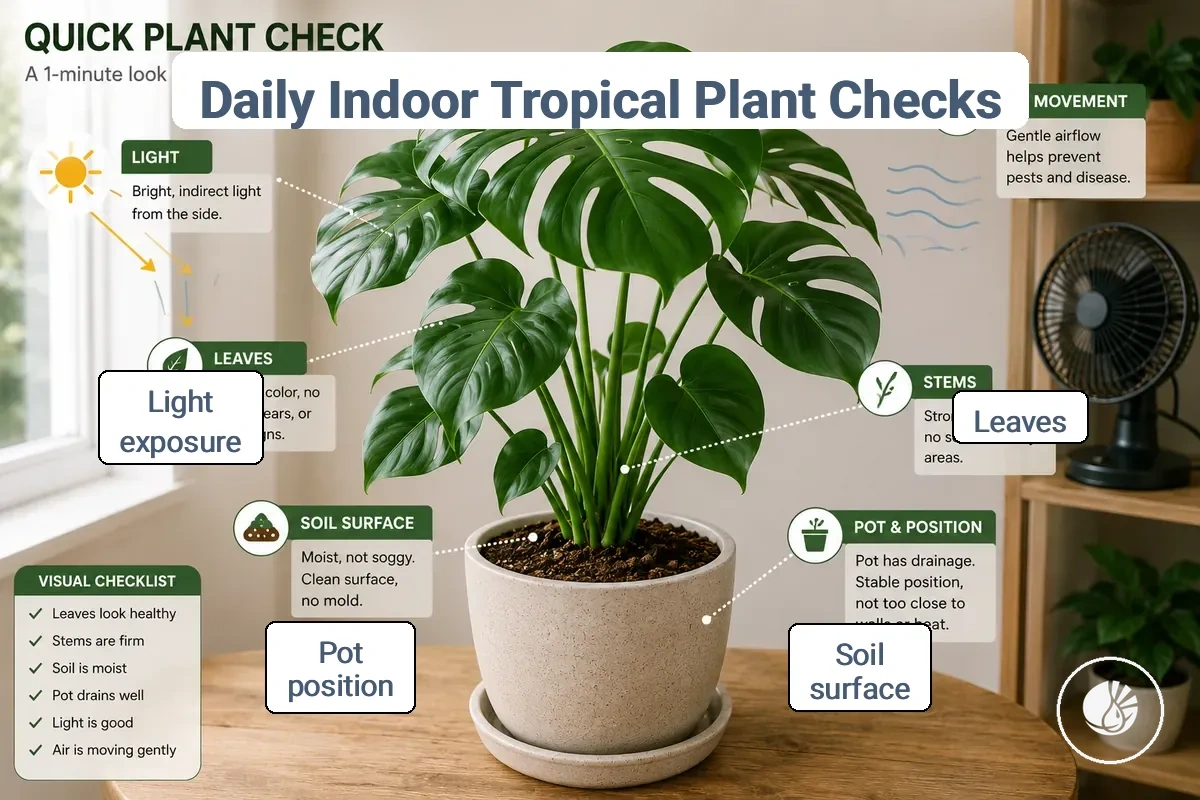
The Daily Indoor Tropical Plant Checks organize the visible areas to scan. Use the mini-checklist below to guide observations while keeping interventions minimal:
- Leaves: observe color and texture; note changes, mostly watch.
- Stems: check firmness and surface; observe lightly.
- Soil surface: inspect moisture and appearance; decide lightly.
- Pot position: ensure stability; adjust if needed.
- Light exposure: confirm adequate light; observe variation.
- Air movement: note airflow; watch effect.
- Pest signs: spot early cues; escalate only if persistent.
Leaf condition and visible stress
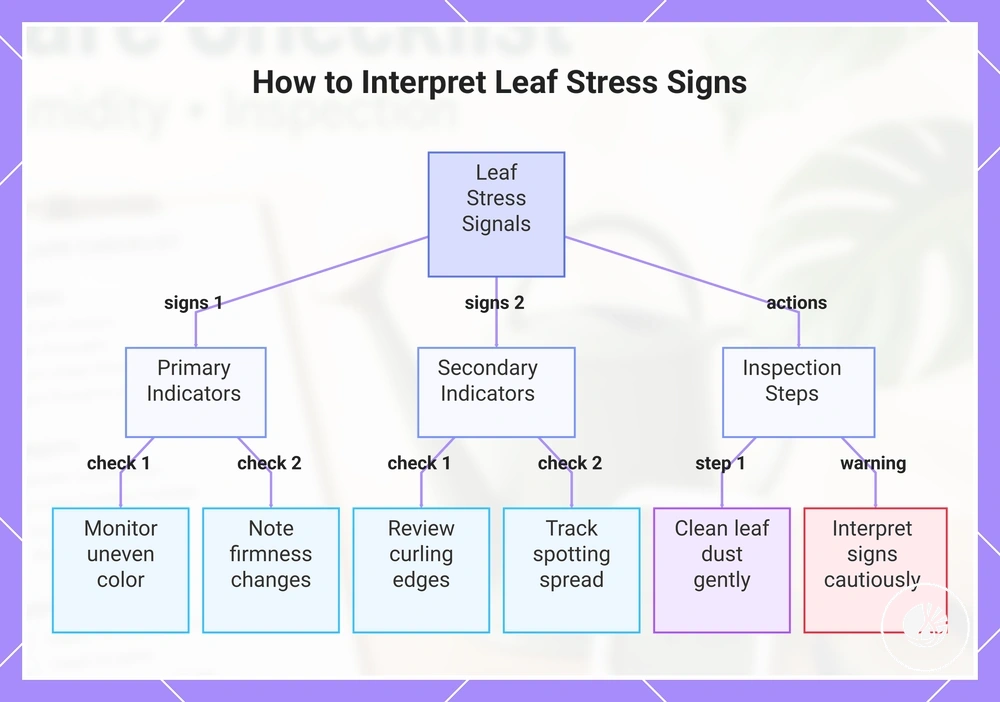
Leaf condition reveals visible stress signals that can help determine whether daily attention is needed. Leaf color, firmness, curling, spotting, and dust are observable attributes that support inspection. Leaves can show attention needs, but they do not always reveal exact causes.
Older leaves may show normal aging, while spreading stress across multiple leaves may deserve closer observation. Similar leaf cues can relate to water, light, humidity, pests, or nutrients, so cautious interpretation is important. Use the following visible leaf signs to guide local maintenance responses:
- Leaf color: uneven color changes may suggest closer observation; monitor for progression before making major adjustments.
- Firmness: reduced firmness may indicate visible stress; continue inspection and note changes over time.
- Curling: leaf edges that curl may suggest a changing condition; review the surrounding environment and observe further.
- Spotting: isolated spotting may require monitoring; pay attention if marks continue to spread.
- Dust: dust on the leaf surface can hide visible leaf signs; clean gently to improve inspection accuracy.
This chart shows the main visible leaf signs and the recommended inspection actions to guide plant maintenance while emphasizing cautious interpretation.
Soil surface and moisture cues
Soil surface and moisture cues help decide whether to observe, test, or delay watering. Observing dryness, dampness, crusting, odor, fungus growth, and exposed roots supports cautious watering decisions without relying on exact root-zone assessment.
Surface cues alone may not indicate full root condition, so they require careful interpretation. Abnormal cues may suggest a need for broader inspection. Key surface observations and safe responses include:
- Dryness: topsoil appears dry; observe and note before watering.
- Dampness: surface feels moist; delay watering and monitor.
- Crusting: hardened layer; gently break surface and observe.
- Odor: unusual smell; check surface moisture and aeration.
- Fungus growth: visible growth; observe, ensure airflow.
- Exposed roots: roots showing; delay watering and check pot condition.
Light exposure and plant rotation
Light exposure and plant rotation help maintain even growth by supporting more balanced light across the plant. Window direction, distance from light, shaded side development, and leaf direction can influence growth balance. Small adjustments should focus on observation and gradual correction for even growth.
When a plant begins leaning toward a light source or develops a noticeably shaded side, a small rotation may help balance exposure. A stressed plant should not be moved repeatedly without observing response, especially after sudden exposure changes. Use the following rotation checklist to guide local adjustments:
- Window direction: review light direction and rotate slightly if one side receives most exposure.
- Distance from light: check plant position and adjust gradually when exposure appears uneven.
- Shaded side: turn the plant modestly to support more balanced light distribution.
- Leaning stems: use gentle plant rotation and observe whether growth balance improves over time.
- Sudden exposure: avoid abrupt relocation and monitor plant response before making additional changes.
Weekly Indoor Tropical Plant Care Routine
Weekly Indoor Tropical Plant Care Routine is a deeper observation cycle that organizes inspection, cleaning, moisture decisions, and prevention tasks for indoor tropical plants. It ensures that care goes beyond daily observation and helps maintain plant health systematically.
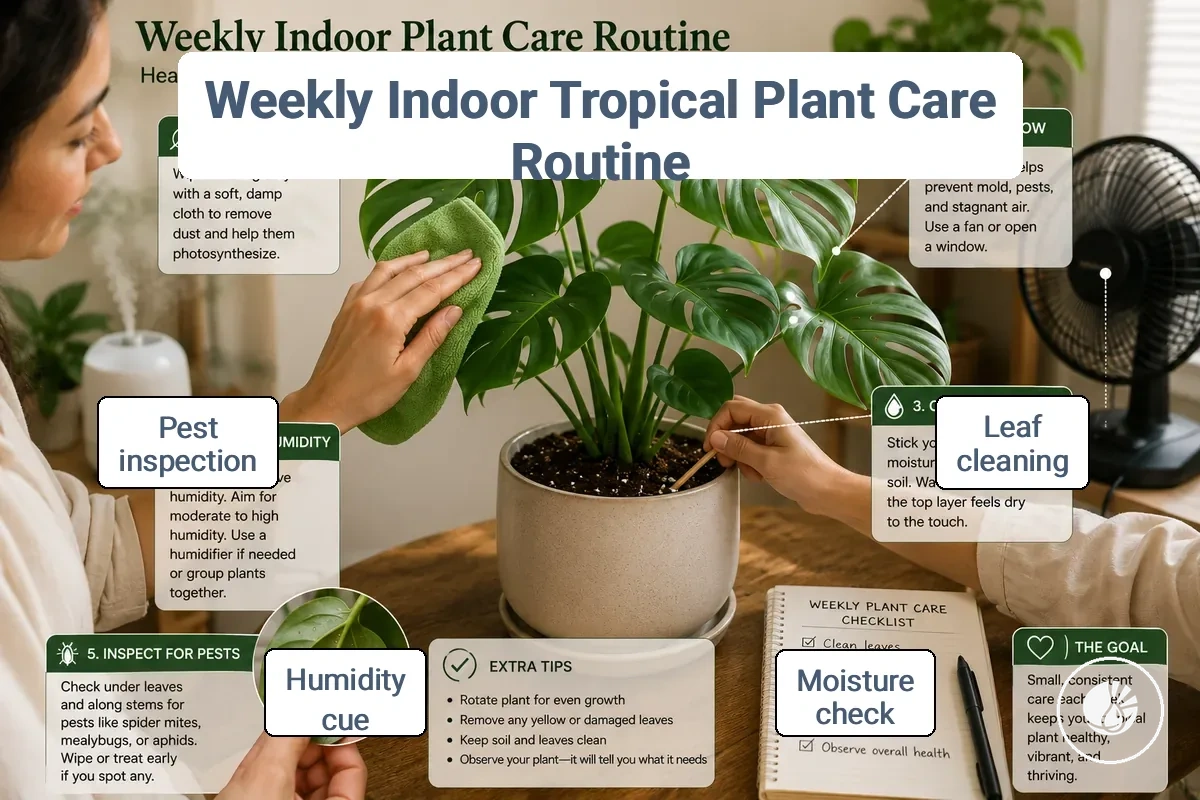
This weekly routine identifies minor issues that may not appear during daily checks. It focuses on watering verification, humidity review, airflow assessment, leaf cleaning, pest inspection, and basic grooming. The image below illustrates the Weekly Indoor Tropical Plant Care Routine, showing how these tasks combine without overcorrecting plant care :contentReference[oaicite:0]{index=0}.
- Watering verification: check soil moisture; adjust water as needed.
- Humidity review: observe ambient humidity; improve airflow if necessary.
- Airflow assessment: ensure circulation; reposition plant if stagnant.
- Leaf cleaning: remove dust gently; enhance light exposure.
- Pest inspection: examine leaves and stems; note any early signs.
- Grooming: remove dead or yellow leaves; monitor recent growth.
Adapt this weekly routine depending on plant type, pot size, indoor climate, and recent growth. Adjust observation and minor care actions to the plant’s response rather than applying them uniformly to all indoor tropical plants.
Watering need and moisture verification
Watering need should be verified before adding water to an indoor tropical plant. Moisture verification is more reliable when multiple cues are reviewed together instead of relying on a single indicator. Soil depth, pot weight, leaf firmness, drainage behavior, and recent watering history help support the decision, so watering should be verified before action.
When the top layer feels dry, deeper soil may still contain moisture, so immediate watering may not be necessary. As part of a broader watering routine, moisture verification helps prevent decisions based on surface cues alone. The checklist below shows how touch, pot weight, and moisture meter readings can support a watering decision without treating any single cue as a universal authority. :contentReference[oaicite:0]{index=0}
- Soil depth: if the surface feels dry, check deeper soil before deciding whether water is needed.
- Pot weight: if the pot feels lighter than expected, compare this cue with other signs before watering.
- Leaf firmness: if leaves appear less firm, review soil and moisture conditions before taking action.
- Drainage behavior: if moisture appears to remain in the pot longer than expected, verify conditions before adding more water.
- Recent watering history: if the plant was watered recently, wait and check deeper soil even when the top layer feels dry.
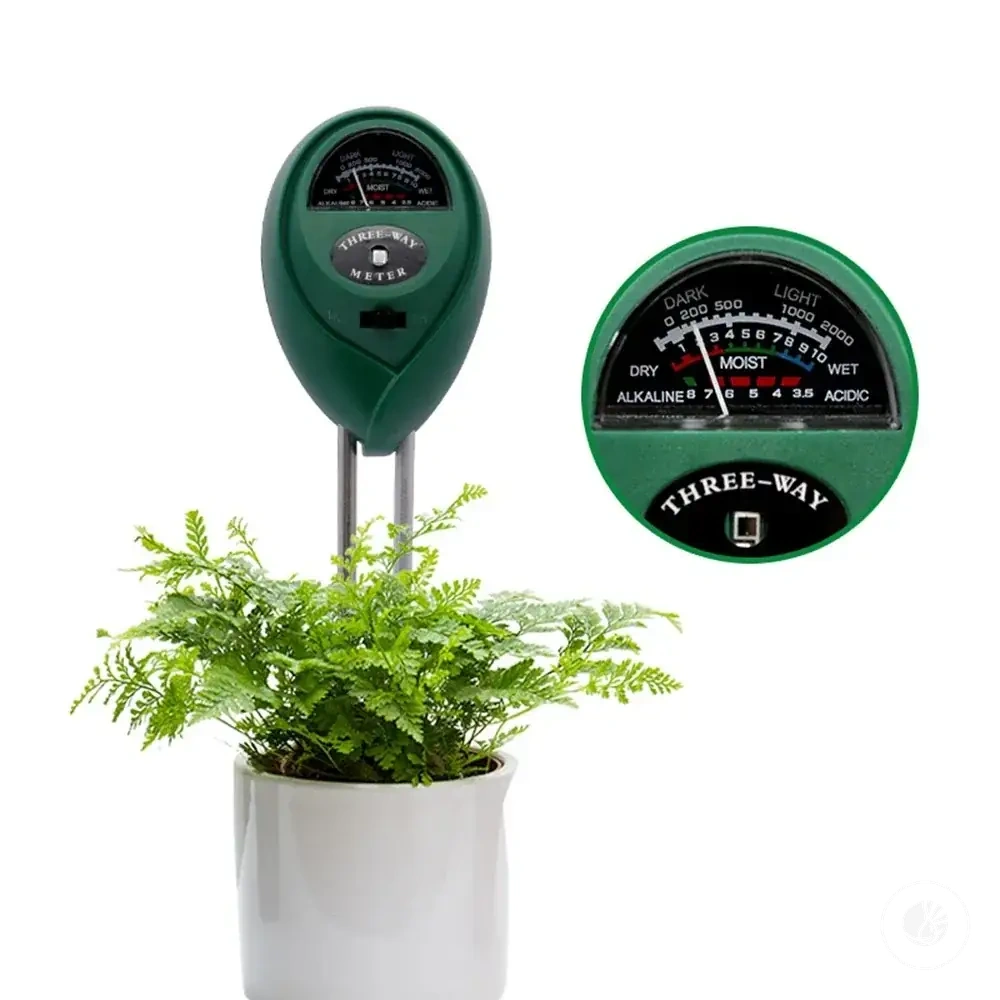
- Moisture meter: use the reading as one moisture verification cue and compare it with soil depth, pot weight, and plant response.
Humidity, airflow and leaf cleaning
Humidity, airflow, and leaf cleaning support indoor tropical plant maintenance by helping leaves remain cleaner and by improving observation of transpiration-related conditions. Room humidity, air movement, and dust can influence leaf condition, while leaf cleaning helps maintain visibility of plant response. Together, humidity, airflow, and cleaning belong to weekly maintenance checks.
In a dry room, humidity checks can help identify conditions that may need attention, while misting limits should be considered because misting alone may not provide a complete humidity solution. On crowded plant shelves, reduced air movement can contribute to stagnant conditions, and plants with delicate leaves may require gentler leaf wiping methods. For broader humidity and airflow checks, use the criteria below to evaluate different room conditions during weekly maintenance. :contentReference[oaicite:0]{index=0}
- Room humidity: if the room feels dry, monitor plant condition and review changes before making larger adjustments.
- Air movement: if airflow appears limited, observe plant shelf conditions and watch for stagnant conditions.
- Dust: if dust accumulates on leaves, clean leaves gently to improve observation and maintenance.
- Misting limits: if humidity seems low, use misting cautiously and avoid treating it as a complete humidity solution.
- Leaf wiping: if leaves tolerate handling, remove dust carefully to support regular maintenance checks.
- Delicate leaves: if leaf surfaces are sensitive, use a lighter leaf wiping approach and reduce handling.
- Stagnant conditions: if air remains still around clustered plants, review spacing and air movement before assuming another cause.
Pest inspection and early prevention
Pest inspection identifies early pest cues before they become a larger control concern. Weekly checks help reveal changes that may otherwise go unnoticed, especially on hidden plant surfaces and developing growth. Pest inspection supports early prevention by focusing attention on where signs first appear.
When pest signs are noticed early, observation can remain focused and limited rather than expanding into a broader response process. Check leaf undersides, new growth, stem joints, soil surface, and nearby plants because early pest cues may appear in more than one location. Use the inspection checklist below to guide a consistent weekly plant inspection.
- Leaf undersides: look for pest signs, residue, or unusual marks and monitor whether they remain isolated.
- New growth: inspect developing leaves for early pest cues and compare them with older growth.
- Stem joints: check connection points for visible signs and continue observation if changes appear.
- Soil surface: review the surface for unusual activity or visible changes and monitor surrounding conditions.
- Sticky residue: note any residue on leaves or nearby surfaces and inspect adjacent plant areas.
- Webbing: look for fine webbing and observe whether it appears in additional locations.
- Nearby plants: inspect neighboring plants when signs appear to determine whether observation should be expanded.
If signs repeat, spread, or continue to appear across multiple inspection points, a dedicated pest prevention checks process may be needed for further evaluation.
Monthly Indoor Tropical Plant Maintenance
Monthly Indoor Tropical Plant Maintenance is a longer-cycle review that evaluates growth, container condition, and other care needs that are too disruptive for daily or weekly routines. This monthly maintenance ensures that plant health trends, soil condition, and support needs are monitored without performing all actions automatically every month. It functions as a comprehensive monthly checkup.
Some plants may not be ready for all tasks every month due to stress, dormancy, or slow growth. Pruning, grooming, fertilizer review, soil condition assessment, pot fit evaluation, drainage behavior review, and support checks should be performed cautiously. Use the checklist below to guide monthly reviews and determine which tasks can be safely completed and which may need to be delayed.
- Growth review: assess new and existing growth; postpone action if the plant shows stress signs.
- Pruning: review crowded or damaged leaves; delay cutting if growth is slow or dormant.
- Grooming: remove spent material carefully; avoid if plant appears stressed.
- Fertilizer review: check nutrient status and recent feeding; delay if plant is dormant or under stress.
- Soil condition: inspect surface and structure; observe before adjusting watering or soil.
- Pot fit: evaluate container size and crowding; avoid full repotting unless necessary.
- Drainage behavior: verify water movement through soil; monitor before adjusting drainage setup.
- Support needs: assess leaning or unstable growth; provide gentle support only if required.
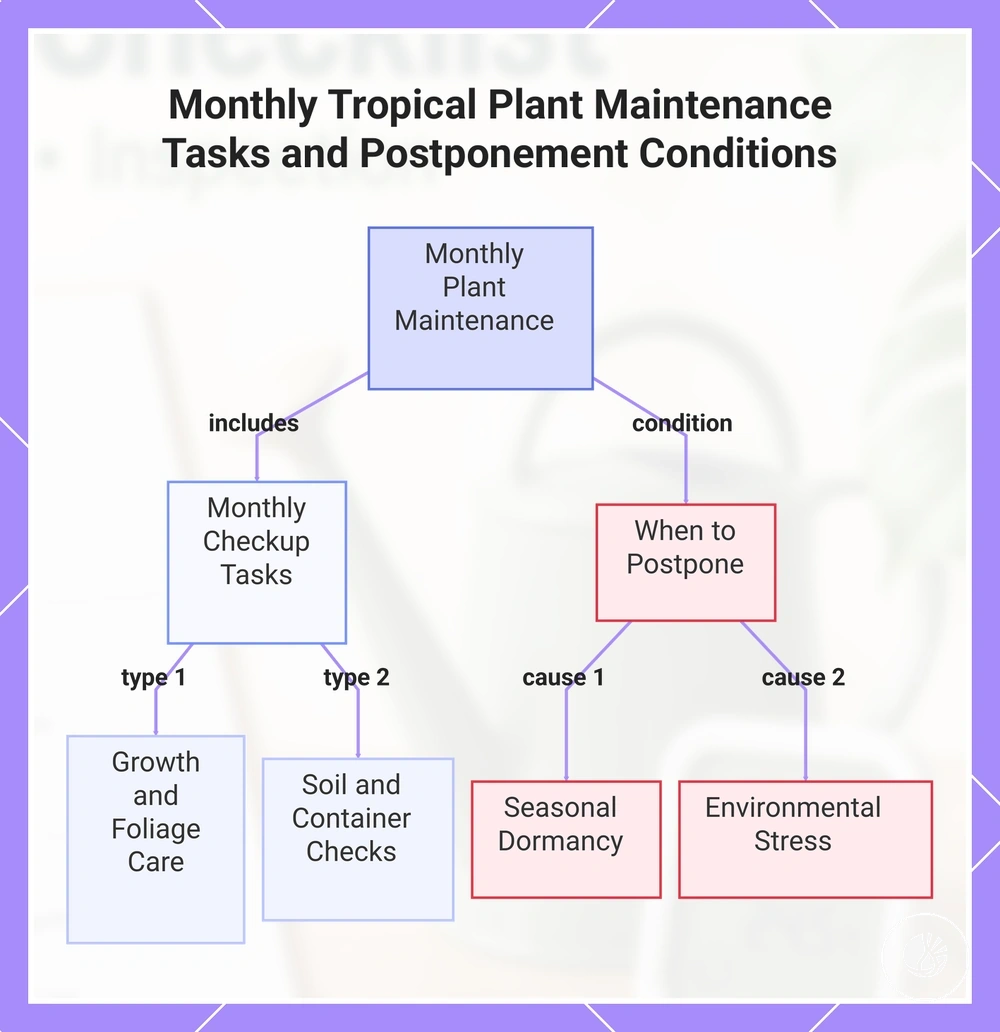
Tasks may be postponed if the plant is stressed due to environmental changes, pest presence, or seasonal dormancy. Observation can guide whether monthly maintenance activities are appropriate or if deferral is safer to protect plant health. :contentReference[oaicite:0]{index=0}
This chart outlines the core tasks included in a monthly tropical plant checkup and the conditions under which maintenance actions should be postponed.
Pruning, grooming and growth control
Pruning and grooming help maintain plant shape and remove clearly spent material while protecting plant response. Focus on dead leaves, yellowing older leaves, leggy growth, damaged stems, and tool cleanliness. Routine grooming addresses cleanup, whereas major structural pruning should be approached with caution and only when recovery signs are evident.
Incorrect or excessive cuts can stress the plant, especially if it is already slow-growing or recovering. Use pruning for maintenance needs conservatively, and treat shaping growth as a careful adjustment rather than extensive cutting. Follow these short steps for safe growth control:
- Check dead leaves: remove leaves that are clearly spent and detached easily; observe the plant’s response afterward.
- Review yellowing older leaves: remove only leaves that show clear decline, leaving uncertain growth for continued observation.
- Assess leggy growth: trim lightly if shaping growth is needed, and monitor recovery before further cuts.
- Inspect damaged stems: remove sections with visible damage while avoiding major structural changes.
- Maintain tool cleanliness: ensure tools are clean before cutting; monitor plant response for stress.
Pruning and grooming should be performed conservatively, prioritizing plant recovery and observing response after each action. Avoid extensive cuts without clear indication of need. :contentReference[oaicite:0]{index=0}
Fertilizer, soil and pot condition review
Fertilizer, soil and pot condition review helps evaluate nutrient needs, soil performance, and container condition before changing care practices. Fertilizer review, soil condition, and pot condition should be assessed together because feeding timing can depend on recent growth and overall container performance. This review supports maintenance decisions but does not equal automatic feeding or repotting.
Changes in growth, soil behavior, or container condition can indicate that closer observation is needed before action. Monthly review helps connect feeding timing, soil condition, and pot condition to current plant response rather than relying on a universal feeding schedule. Use the checklist below to review conditions and guide safe maintenance decisions:
- Feeding timing: review recent growth before feeding; delay changes if growth appears slow or uncertain.
- Recent growth: compare current growth with previous observations; use trends to guide fertilizer review.
- Salt buildup: inspect the soil surface for visible residue; monitor conditions before adjusting feeding practices.
- Compacted mix: check whether the soil appears dense or restricted; observe drainage behavior before making larger changes.
- Drainage holes: inspect for unrestricted water movement; review drainage concerns before changing care.
- Pot stability: check whether the container remains stable during routine handling; note changes for future review.
- Root visibility: observe visible roots at the surface or drainage holes; use this as a cue for deeper evaluation rather than immediate action.
If nutrient symptoms, drainage failure, or signs of root crowding continue to appear, a deeper evaluation may be needed. For dedicated feeding guidance, see the fertilizer routine. :contentReference[oaicite:0]{index=0}
Seasonal Maintenance Adjustments
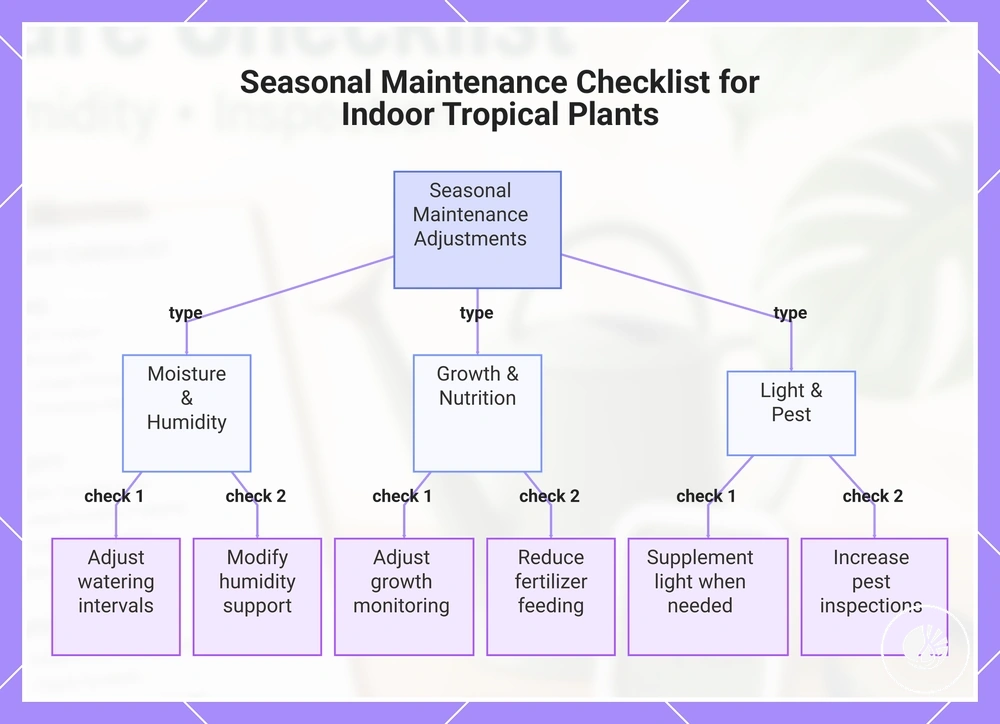
Seasonal maintenance adjustments allow indoor tropical plants to respond appropriately to changing temperature, daylight, and indoor humidity. As these factors shift, variables such as watering intervals, growth speed, airflow, light duration, fertilizer reduction, and pest pressure may need review. Maintenance routines should adapt to indoor conditions rather than remain static year-round.
During warmer periods with longer daylight, plants may grow faster and require more frequent monitoring of soil moisture and nutrient intake, while cooler or shorter-day conditions may slow growth and reduce water demand. Changes in humidity and airflow can also influence leaf health and pest activity. The checklist below organizes Seasonal Maintenance Adjustments for conditional observation and safe adjustments:
- Watering intervals: monitor soil moisture; adjust frequency if drying is faster or slower than typical.
- Growth speed: note leaf development; change observation frequency based on growth patterns.
- Indoor humidity: observe room moisture; modify airflow or localized humidity support as needed.
- Airflow: check for stagnant air; reposition plants or improve circulation if required.
- Light duration: assess leaf orientation and vigor; supplement light only when deficiency signs appear.
- Fertilizer reduction: review recent nutrient application; reduce feeding when growth slows or light levels drop.
- Pest pressure: inspect leaves and stems; increase monitoring when seasonal conditions favor pests.
If indoor conditions or plant responses indicate unusual stress, persistent growth changes, or other anomalies, review a dedicated seasonal care adjustments. :contentReference[oaicite:0]{index=0}
This chart organizes the main seasonal care categories and the key observation and adjustment actions for indoor tropical plants.
Maintenance Tools for Consistent Care
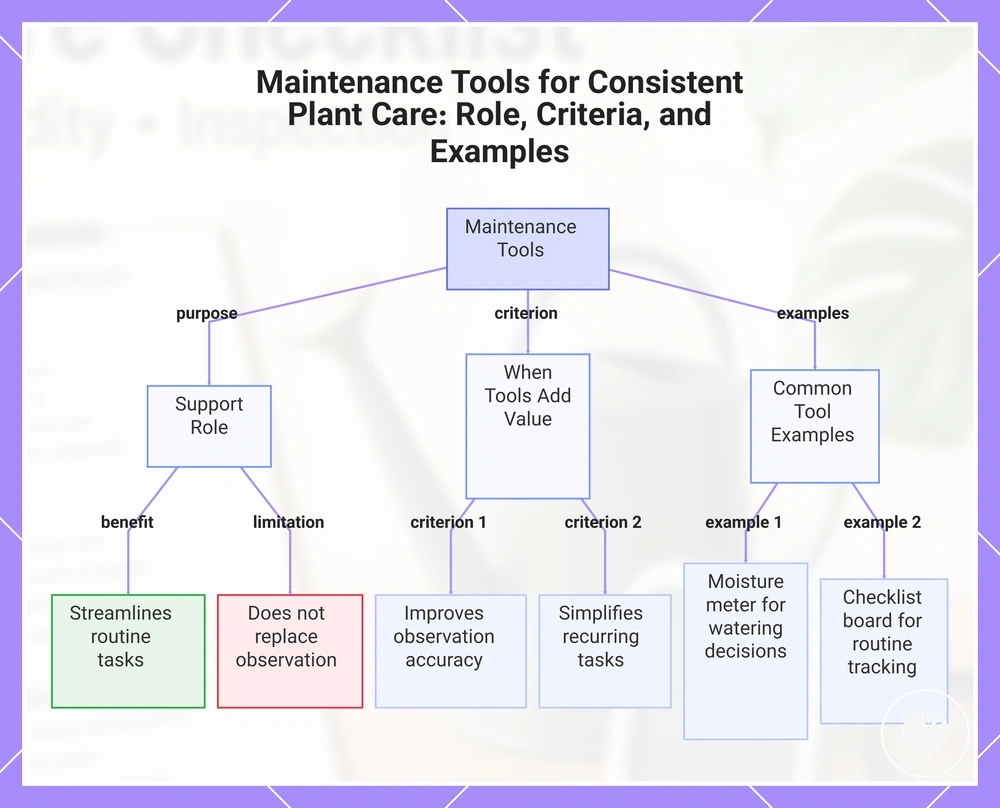
Maintenance tools refer to accessories that support routine checks and consistent care for indoor tropical plants. They aid in observation, moisture decisions, cleaning, pruning, and tracking, but tools supplement rather than replace plant observation and judgment.
Inconsistent plant care can occur when checks rely only on memory or irregular observation. Using tools helps streamline routine tasks and maintain uniform attention to plant condition. The following criteria illustrate when tools provide meaningful support for routine care.
Maintenance Tools for Consistent Care add value when a tool improves observation accuracy, supports safe maintenance decisions, or simplifies recurring tasks. Moisture meters, pruning scissors, spray bottles, leaf-cleaning gloves, checklist boards, and basic care kits are examples that can assist under specific use conditions. Observation remains essential because each tool has its limitation and cannot fully replace direct assessment.
- Moisture meters: use when soil moisture is unclear; aid consistent watering decisions.
- Pruning scissors: use during trimming; help perform clean, controlled cuts.
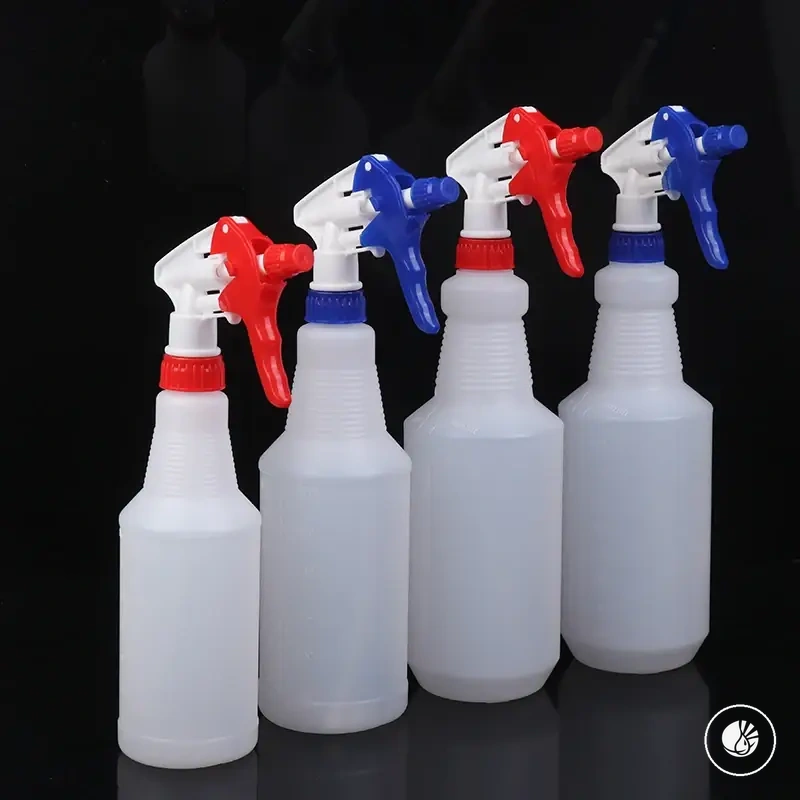
- Spray bottles: use for localized cleaning or maintenance; allow careful application.
- Leaf-cleaning gloves: use when dust accumulates; support gentle leaf cleaning.
- Checklist boards: use for routine tracking; improve consistency in recurring checks.
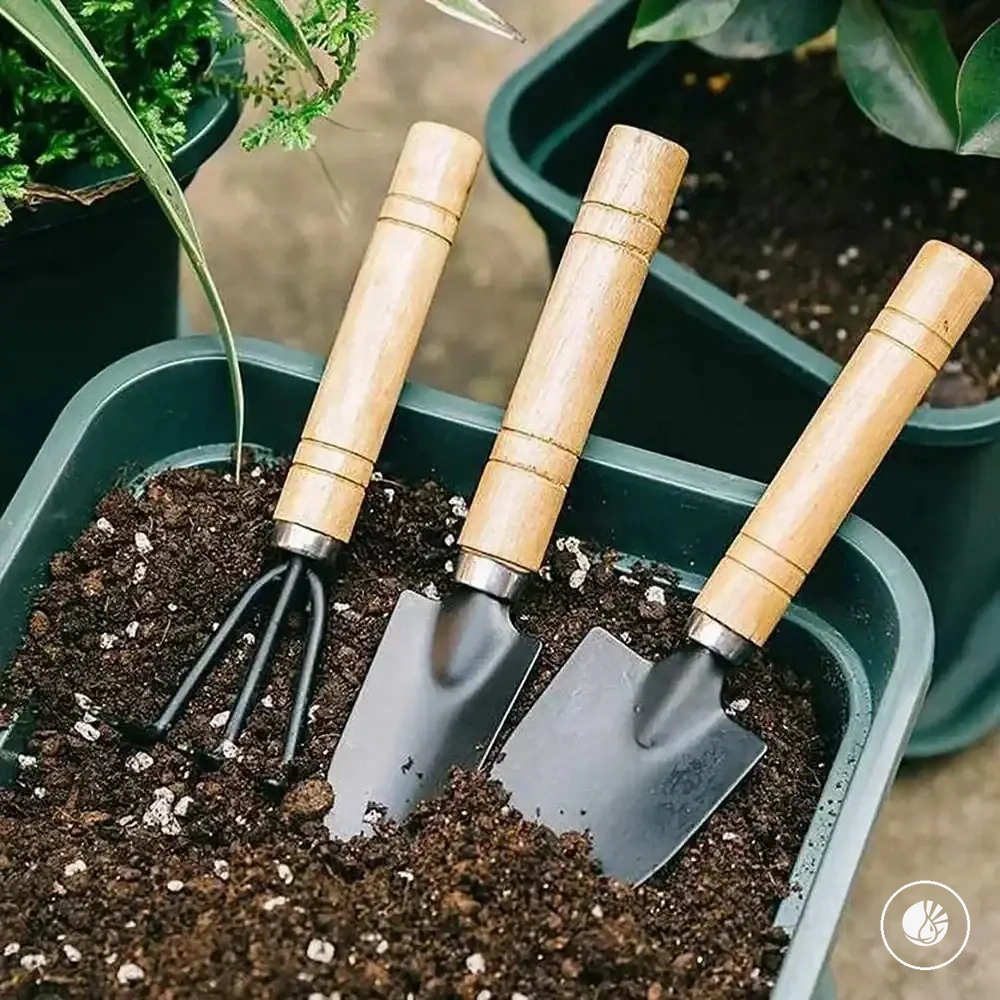
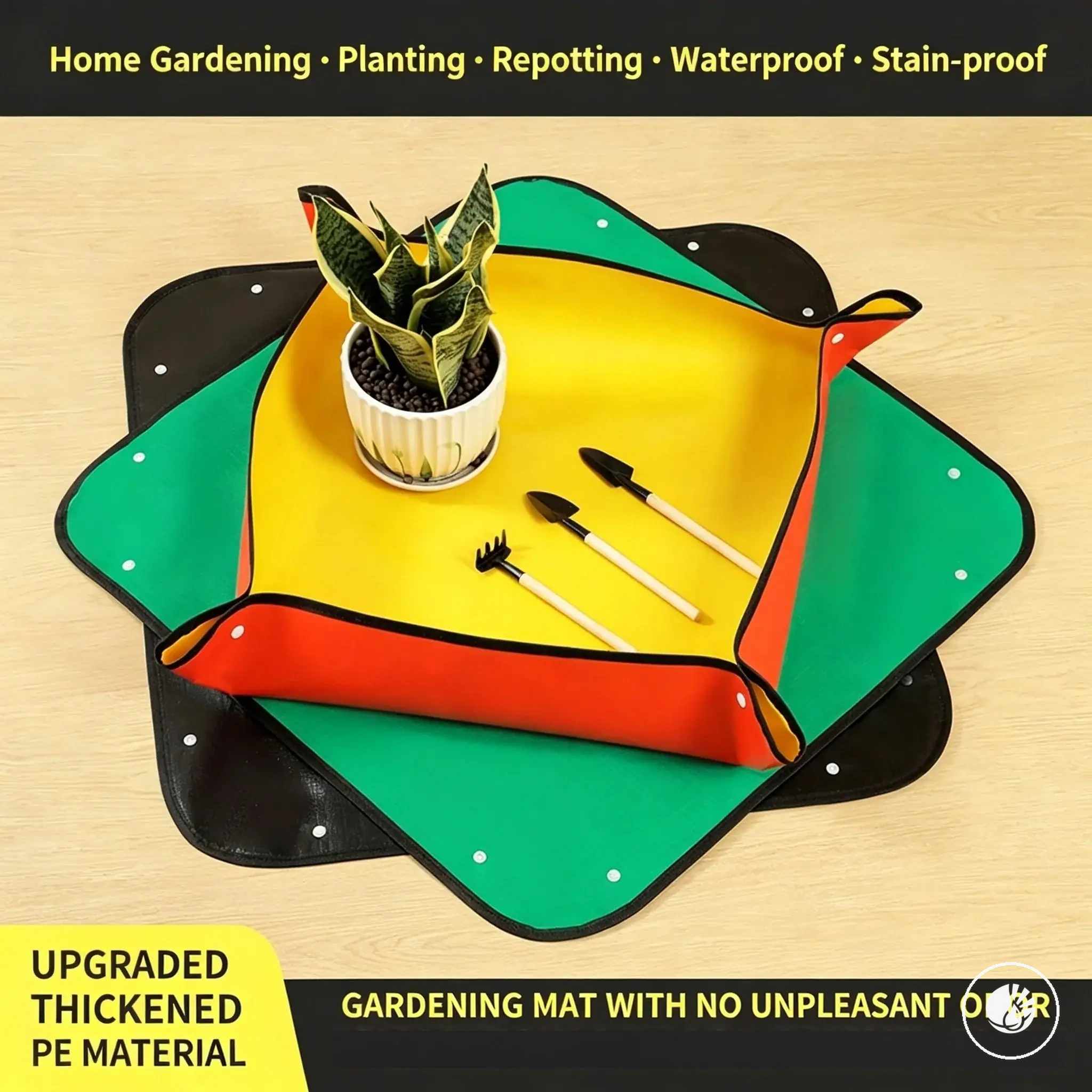
- Basic care kits: use when multiple tools are needed; aid organized maintenance tasks.
In situations where routine observation is challenging or plant response is subtle, these tools can help maintain consistency, though they should be chosen according to the plant’s current needs and observation conditions.
This chart explains the role of maintenance tools in supporting consistent care for indoor tropical plants, when they add value, and key examples.
The products below are useful examples for comparing available options. Before buying, check that the compatibility criteria, key features, and product details match your needs.

Plant Care Journal and Routine Tracking
A plant care journal records repeated observations to improve maintenance decisions. Routine tracking ensures that changes in watering dates, moisture readings, humidity notes, pruning, fertilizer, pests, symptoms, and response changes are documented over time, helping guide better decisions without replacing direct observation.
Plant Care Journal and Routine Tracking is an observation record that clarifies what changed, when, and how the plant responded. A simple tracking template organizes information clearly and allows comparisons across time. Key fields to include are:
| Field | What to record | Why it helps |
|---|---|---|
| Plant name | Plant identity or label | Keeps records separated per plant |
| Location | Room or shelf position | Connects responses to placement |
| Watering dates | Dates water was applied | Shows timing patterns for moisture |
| Moisture readings | Soil moisture or meter notes | Supports consistent watering decisions |
| Humidity notes | Ambient humidity or dryness cues | Clarifies environmental context |
| Pruning | Trimming or grooming done | Links care actions with plant response |
| Fertilizer | Feeding date or skipped feeding | Tracks nutrient application timing |
| Pests | Pest signs observed | Supports early detection and monitoring |
| Symptoms | Leaf, stem, or soil changes | Documents observed conditions |
| Response changes | Improvement, decline, or no change | Helps interpret care patterns cautiously |
Tracking may reveal tendencies, such as slower recovery after certain watering dates, symptom patterns near humidity changes, or gradual response to pruning or fertilizer. These observations guide subsequent maintenance decisions, but patterns should be interpreted cautiously, not as exact causes.:contentReference[oaicite:0]{index=0}
The products below are useful examples for comparing available options. Before buying, check that the compatibility criteria, key features, and product details match your needs.
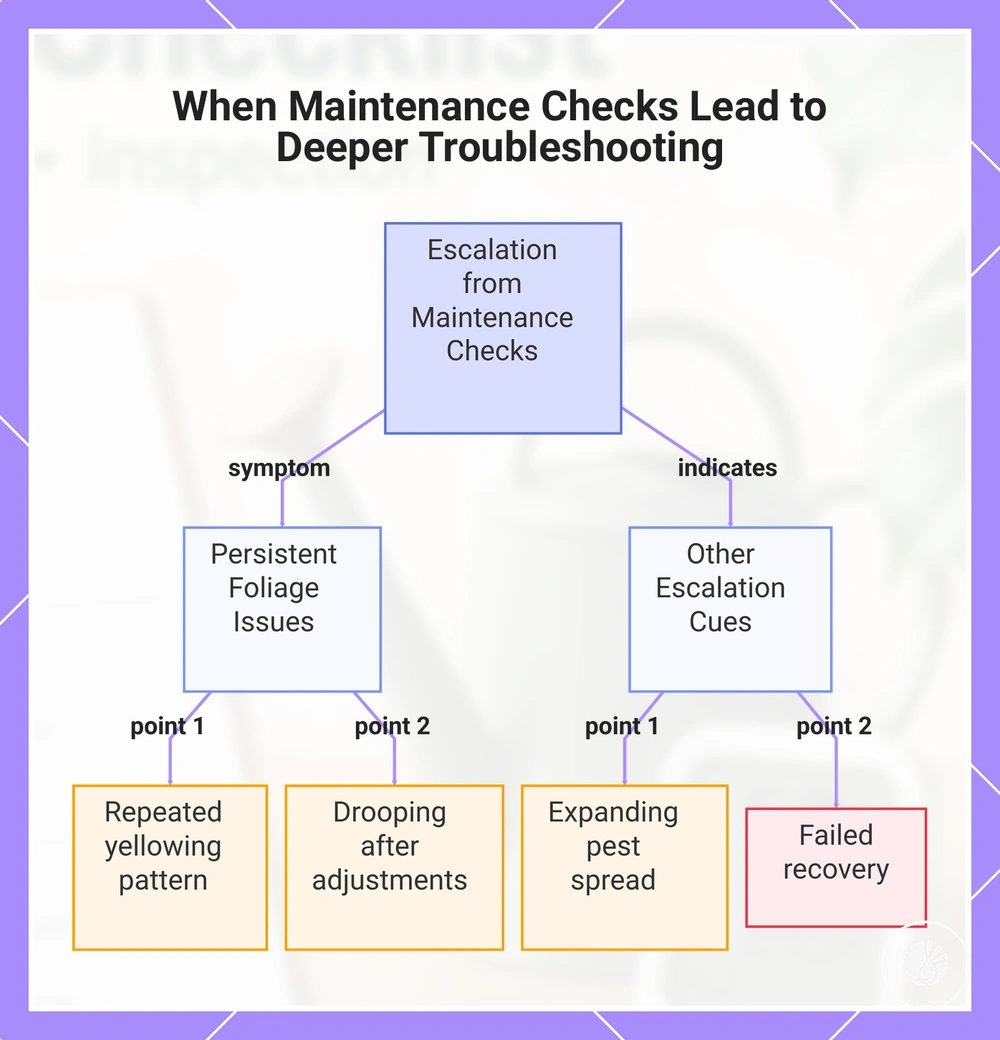
When Maintenance Checks Should Lead to Deeper Troubleshooting
When the same plant issue repeats or worsens despite routine adjustments, maintenance checks should lead to deeper troubleshooting. Minor maintenance cues often improve after observation and normal care corrections, while persistent patterns may require a deeper review. Maintenance checks and deeper troubleshooting serve different purposes, and escalation signals separate routine maintenance from focused troubleshooting.
A persistent problem is not defined by a single symptom but by a symptom pattern that continues after routine care has been reviewed. Repeating the same checklist may not clarify why the issue remains unresolved. The decision block below explains When Maintenance Checks Should Lead to Deeper Troubleshooting and what distinguishes a routine cue from an escalation signal.
- Repeated yellowing: review whether the pattern continues over time; repeating the same maintenance checks may not clarify the underlying concern.
- Drooping: check whether drooping persists after routine adjustments; continued decline can justify a deeper review.
- Brown tips: observe whether new growth develops the same symptom; repeated appearance can indicate a persistent problem.
- Pest spread: inspect whether signs remain localized or continue appearing in additional areas; expanding patterns deserve closer investigation.
- Odor: review whether unusual smells continue after normal maintenance checks; persistent odor can act as a troubleshooting trigger.
- Root-zone concern: evaluate whether visible root or soil-related concerns remain unchanged; checklist repetition alone may not provide enough insight.
- Failed recovery: if routine adjustments do not improve plant response, use failed recovery as an escalation signal rather than repeating the same actions.
A focused troubleshooting boundary begins when symptoms persist despite appropriate maintenance checks. Repeated yellowing, drooping, brown tips, pest spread, odor, root-zone concern, and failed recovery can overlap across multiple conditions, so deeper troubleshooting should avoid single-cause assumptions. Routine care prevents many problems, but it does not replace focused troubleshooting; for broader context, review indoor tropical plant care solutions. :contentReference[oaicite:0]{index=0}
This chart shows the key symptoms and signals that indicate when routine maintenance checks should be escalated to focused troubleshooting.