
Indoor Tropical Plant Care Solutions for Home Growing Conditions
Indoor tropical plant care solutions are decision-support choices that help match indoor tropical plants with the conditions they need inside a home. They connect care decisions to light, water, humidity, soil, drainage, tools, and plant health before any supply choice is treated as useful. The goal is to understand the growing environment first, because home growing conditions can change by room, season, and plant type.
Light, watering, humidity, soil, drainage, and tools work together rather than as separate fixes. A room with weaker light may change how quickly soil moisture dries, while poor drainage can make the same watering habit riskier for roots. Humidity and airflow can also affect how leaves respond to indoor conditions. The right indoor plant care setup depends on the plant, the room light, the potting setup, and the care routine already in place.
Care supplies such as a watering tool, moisture meter, humidity meter, drainage pot, or grow-light support should be treated as examples of support tools, not as the main subject of the page. Product mentions can help with comparison or price-checking later, but they should remain secondary to the care criteria that explain why a tool may be useful. This page frames indoor tropical plant care solutions as a condition-led decision guide, not a store catalog or species-specific care manual.
What Indoor Tropical Plant Care Solutions Need to Cover
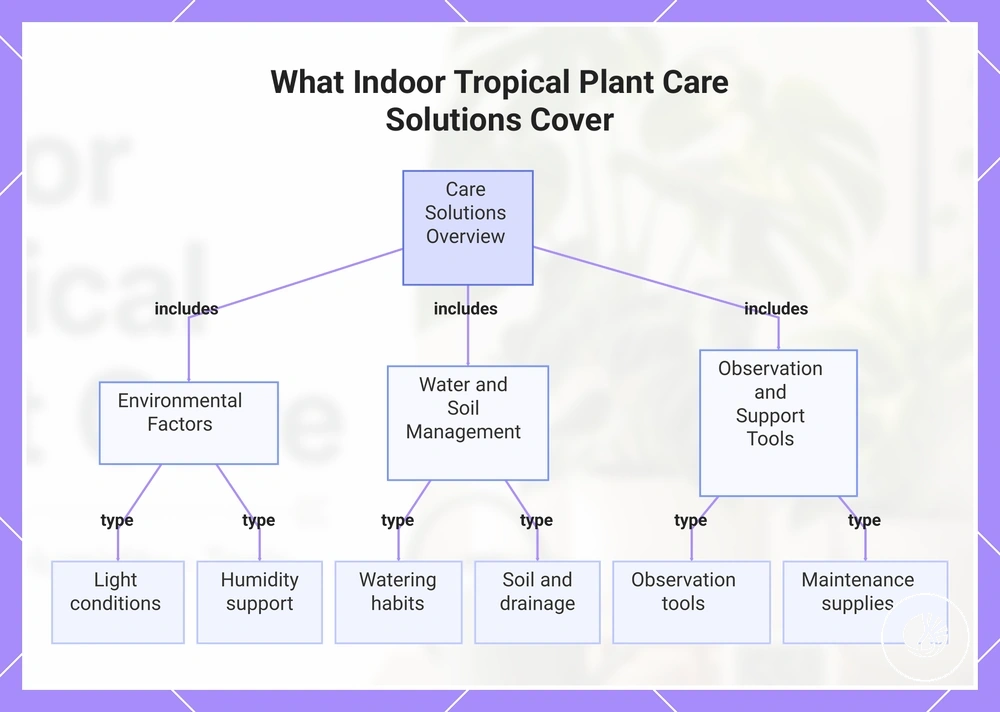
Indoor tropical plant care solutions cover the care condition and required support that help indoor tropical plants adapt to home environments. The category includes the main factors that influence plant stability, along with decisions that may reduce avoidable care risks over time. These solutions connect plant needs to stable home conditions rather than focusing on a single product or task.
The main care areas include light, watering, humidity, soil, drainage, and the tools used to observe or support those conditions. Each area contributes to the overall care system, and the need for a specific support may depend on plant type, room conditions, potting setup, and maintenance habits. Measurement, maintenance, and support supplies are part of the broader decision process rather than separate solutions. This section provides a system-level overview rather than detailed care guidance.
- Light: Review room conditions when daily exposure may influence plant stability.
- Watering: Evaluate moisture-related decisions when watering habits affect care condition.
- Humidity: Consider humidity support when indoor air conditions vary by room or season.
- Soil and drainage: Assess root-zone conditions when water movement and growing media need attention.
- Tools and supplies: Use support tools for observation, measurement, and maintenance when additional guidance is useful.
A deeper page may be useful when a specific care condition, required support, or maintenance decision needs more detailed explanation. Individual topics can require separate discussion because support needs often depend on growing conditions and care habits. For a closer look at the essential parts of indoor tropical plant care solutions, the broader care system can be explored in more depth without expanding this overview section.
This chart shows the main care areas that indoor tropical plant care solutions cover, including environmental conditions, water and soil management, and observation tools.
Core Conditions That Keep Tropical Plants Healthy Indoors
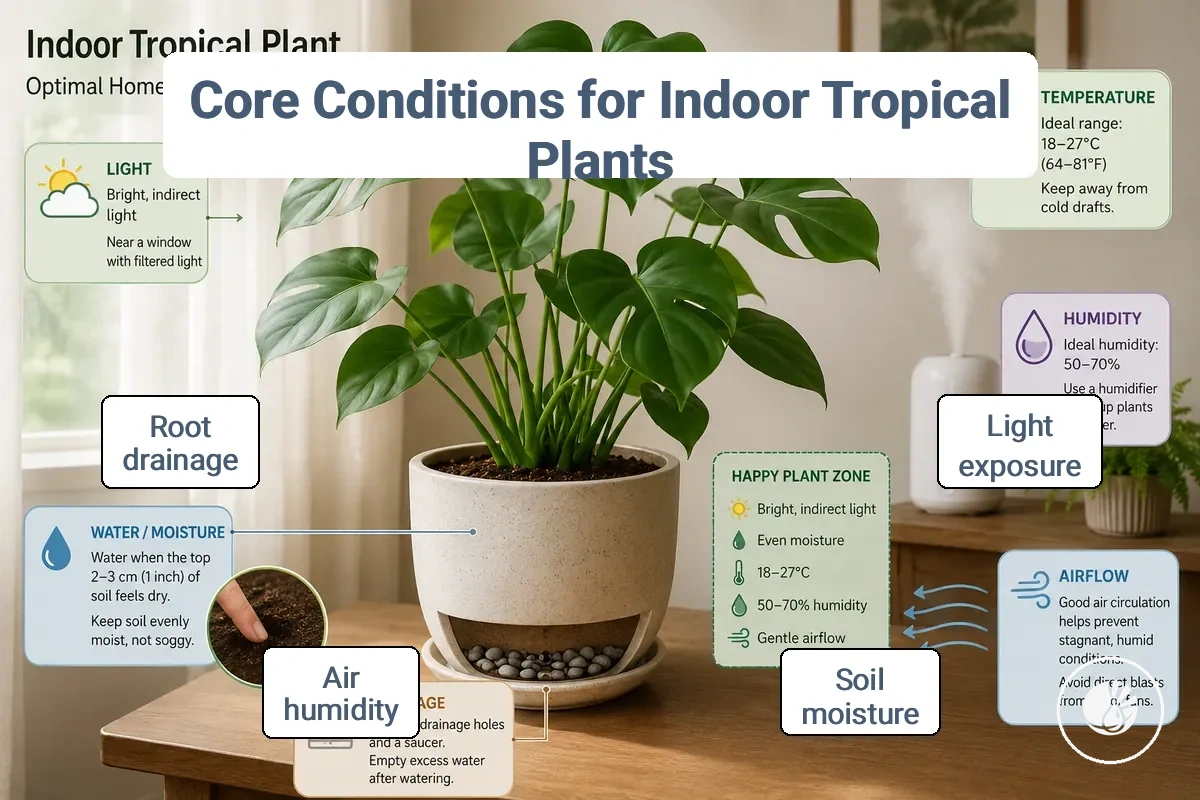
Healthy indoor tropical plants depend on core conditions working together rather than on one isolated tool or adjustment. Indoor conditions influence how tropical plants respond to their growing environment, and changes in one condition can affect others. Light, moisture, humidity, airflow, temperature, and root-zone support are the main condition groups that shape growth and plant stress.
Core Conditions That Keep Tropical Plants Healthy Indoors can be understood more clearly when each condition is viewed through its attribute, observation cue, and potential effect. The image and table below organize environmental signals and root-zone signals into practical decision factors.
| Condition | Attribute to Check | Observation Cue | Effect or Decision |
|---|---|---|---|
| Light | Exposure pattern | Leaf color and growth behavior | May indicate whether light conditions support healthy growth |
| Moisture | Soil moisture level | Soil feel and drainage response | Can influence root condition and overwatering risk |
| Humidity | Air moisture | Leaf appearance and edge condition | May affect plant stress depending on room conditions |
| Airflow | Air movement | Moisture persistence around foliage and soil | Can influence how indoor conditions are maintained |
| Temperature | Indoor temperature pattern | Seasonal or room-based variation | May affect growth response and condition stability |
| Root-zone support | Soil structure and drainage | Water movement through the potting setup | Can affect root health and related care decisions |
Condition signals are most useful when they are interpreted together rather than in isolation. An observation cue related to moisture, for example, may also reflect light exposure, airflow, or root-zone support. The most appropriate adjustment often depends on plant type, room condition, season, and the overall growing environment.
Bright Indirect Light and Grow-Light Support
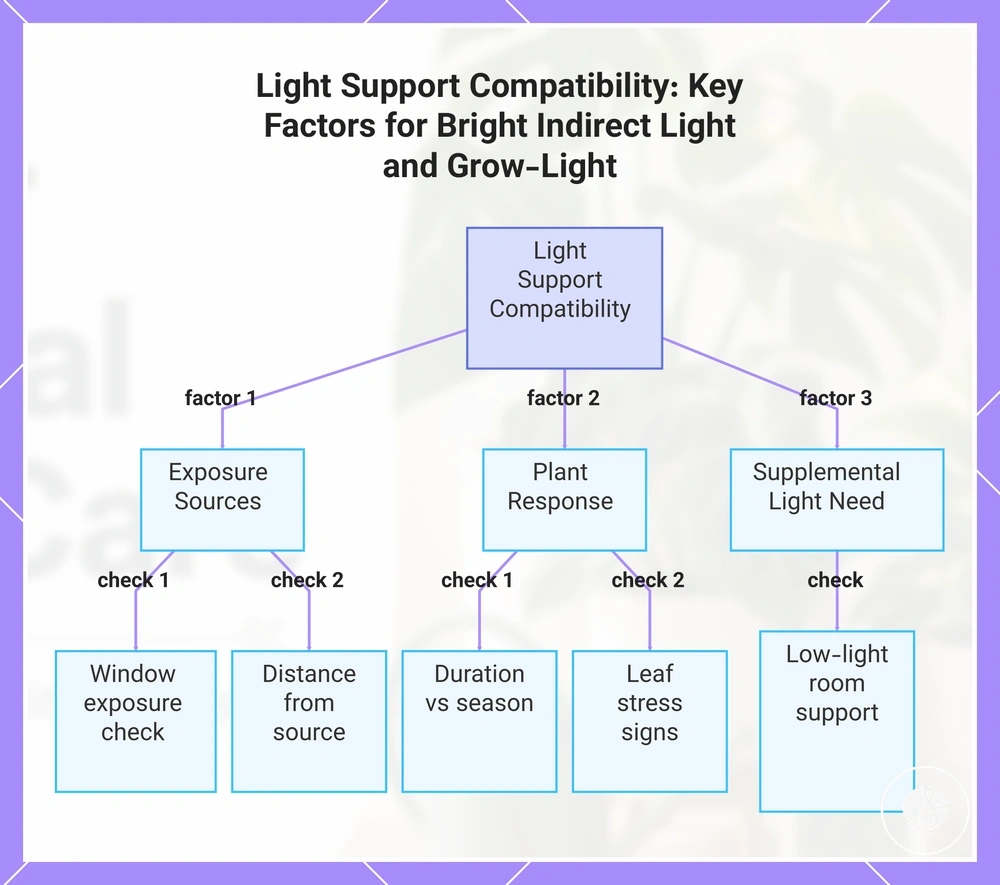
Bright indirect light and grow-light support depend on plant response, room exposure, and how light reaches the plant over time. Light support should be matched to actual growing conditions rather than a fixed prescription. Compatibility is usually evaluated through window exposure, distance from the light source, duration, and visible leaf stress signals.
Bright indirect light and grow-light support can be assessed through a few practical compatibility criteria. The checklist below highlights the main factors used to evaluate light exposure and adjustment needs.
- Check window exposure and whether light reaches the plant without prolonged harsh direct sunlight.
- Evaluate distance from the window or plant grow light because light intensity may vary across the room.
- Review duration in relation to room condition, season, and visible plant response.
- Watch for leaf stress, changes in leaf appearance, or slower growth that may suggest an adjustment is needed.
- Consider supplemental light in a low-light room when natural light exposure may not provide consistent support.
Natural light and grow-light support can serve similar purposes, but their suitability depends on different conditions. Window exposure changes with room location and seasonal light patterns, while supplemental light effectiveness may vary by fixture strength, distance, and duration. For a more detailed explanation of local compatibility criteria and support options, see light solutions for indoor tropical plants.
This chart shows the main factors used to evaluate light exposure and adjustment needs for bright indirect light and grow-light support.
Watering Control and Soil Moisture Checks
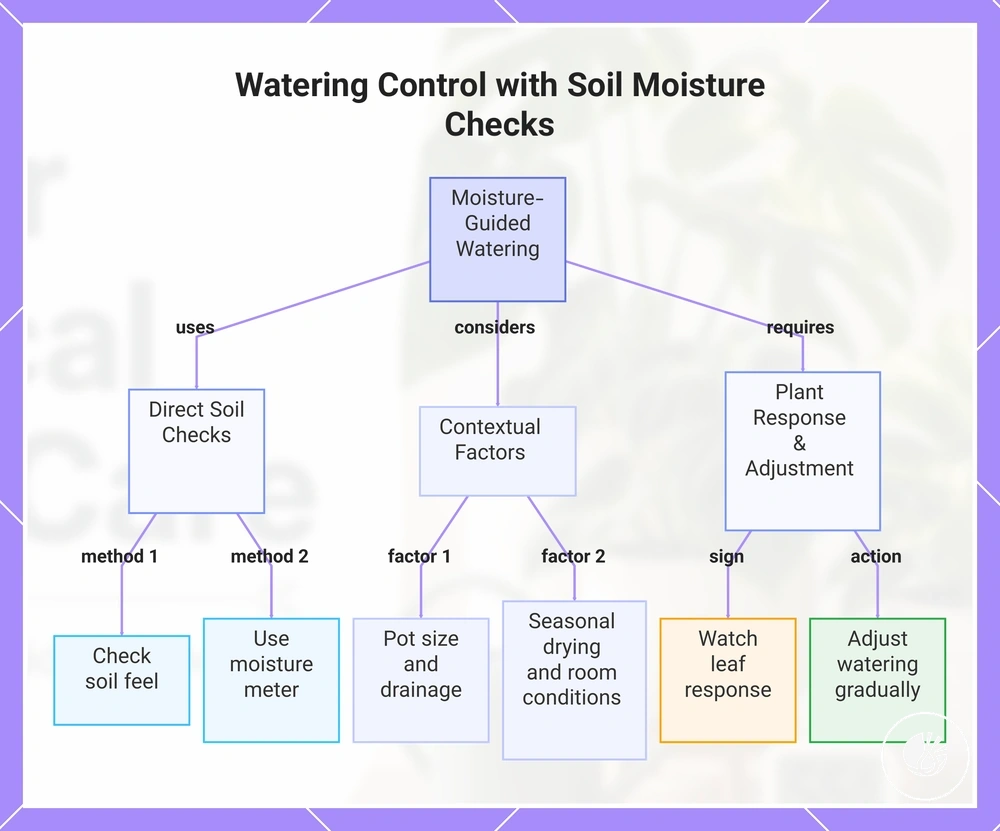
Watering control depends on soil moisture observation rather than a fixed schedule. Soil moisture can change with pot size, drainage, room conditions, and seasonal drying speed, so the same watering routine may not suit every situation. A moisture check is usually a more reliable watering cue than following a calendar alone.
Watering control and soil moisture checks work best when multiple observations are considered together. The checklist below highlights common moisture-check factors that can help guide a watering decision.
- Check soil feel because surface and root-zone moisture may not dry at the same rate.
- Use a moisture meter as one observation source rather than the only decision signal.
- Consider pot size and drainage because they can influence drying speed and moisture retention.
- Watch leaf response alongside soil moisture, since plant appearance may provide additional context.
- Account for seasonal drying speed and room conditions when evaluating a watering routine.
- Adjust gradually when moisture checks suggest conditions are staying wetter or drier than expected.
Leaf response, soil moisture, and drying speed can help distinguish between underwatering risk, overwatering risk, and normal variation. For example, if soil remains dry and leaf response declines, the watering decision may differ from a situation where soil stays wet for an extended period. Because moisture checks shape watering decisions, a deeper discussion is available in watering solutions for indoor tropical plants.
This chart shows the key observation factors and adjustments for making watering decisions based on soil moisture, not a fixed schedule.
Humidity, Temperature, and Airflow Balance
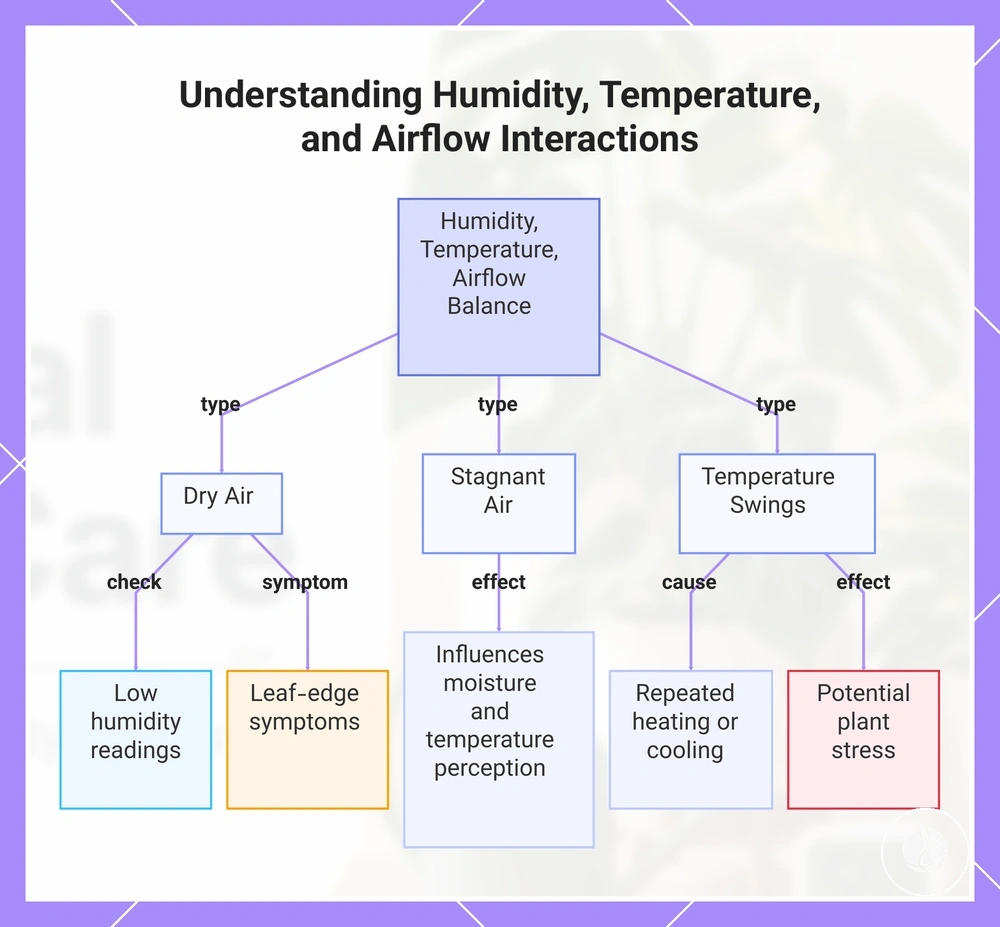
Humidity, temperature, and airflow should be evaluated together because these indoor conditions interact and can influence plant response. Dry air, temperature changes, and room airflow may affect the growing environment differently depending on surrounding conditions. Compatibility is usually assessed by reading these factors as a combined environmental pattern rather than as separate issues.
Humidity, temperature, and airflow can be interpreted through observable condition signals. The contrast below helps separate common environmental situations and their potential effects.
- Dry air: Low humidity readings on a hygrometer and leaf-edge symptoms may suggest that air moisture is lower than the plant prefers.
- Stagnant air: Limited room airflow may influence how moisture and temperature conditions are experienced around the plant.
- Temperature swings: Repeated heating exposure or cooling exposure may contribute to stress when indoor conditions change frequently.
A hygrometer or humidity meter can help monitor indoor climate conditions, while humidifier placement and air movement should be evaluated within the broader room condition. Humidity support may help in certain situations, but leaf-edge symptoms and overall plant response can also depend on watering, light exposure, room placement, and potting setup. For a more detailed explanation of environmental compatibility factors, see humidity and temperature control.
This chart illustrates the three key environmental conditions to evaluate together and their observable signals and effects on plant health.
Soil, Drainage, and Nutrient Support
Root-zone setup changes how watering, light, and humidity outcomes appear because soil conditions influence how roots receive moisture and air. The same watering habit may lead to different results when potting mix, drainage, or nutrient support varies. Soil, drainage, and nutrient support shape how the root zone responds to indoor growing conditions.
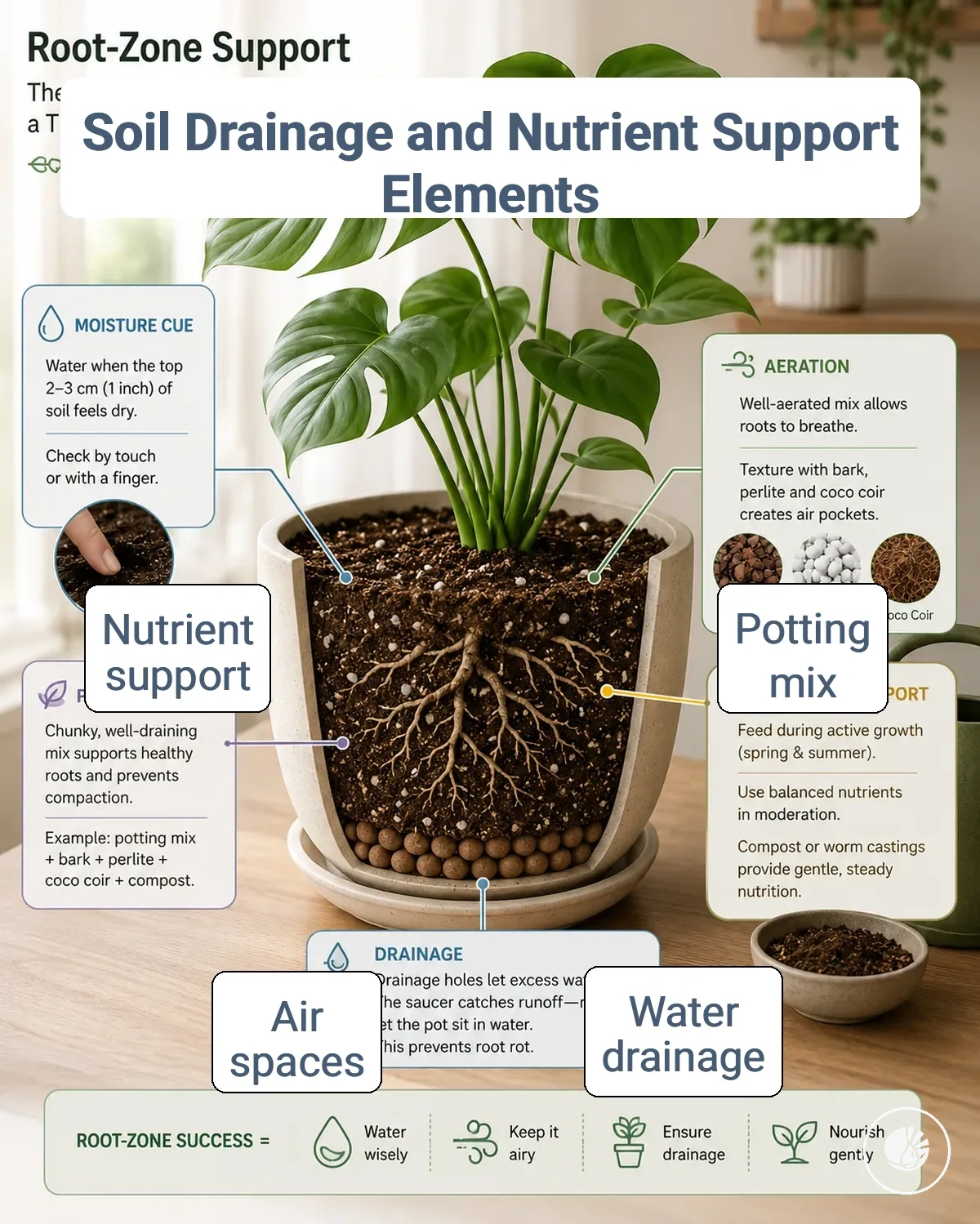
Soil, Drainage, and Nutrient Support can be understood more clearly when each material or setup element is evaluated by its role in the root zone. The table below differentiates material roles through attribute, condition, and plant-response relationships.
| Material or Setup Element | Attribute to Evaluate | Condition Cue | Effect or Decision |
|---|---|---|---|
| Potting mix | Water retention and structure | Moisture behavior after watering | May influence how long moisture remains available in the root zone |
| Drainage holes | Water movement | Excess water leaving the pot | Can affect moisture balance and root stress risk |
| Aeration material | Air space within soil | Soil density and compaction | May support root access to air and influence root health |
| Pot choice | Container characteristics | Drying speed and moisture retention | Can change how a watering habit affects plant response |
| Fertilizer support | Nutrient availability | Growth response over time | May contribute to nutrient support when feeding is needed |
Root-zone tradeoffs often involve balancing water retention, aeration, drainage, and fertilizer support rather than maximizing a single attribute. For example, a potting mix that retains moisture longer may behave differently from one that drains more quickly, even when the watering habit remains similar. Evaluation criteria can vary by plant type and potting context, and a deeper comparison is available in soil, potting and drainage choices.
Choosing Indoor Plant Tools, Kits, and Supplies by Care Need
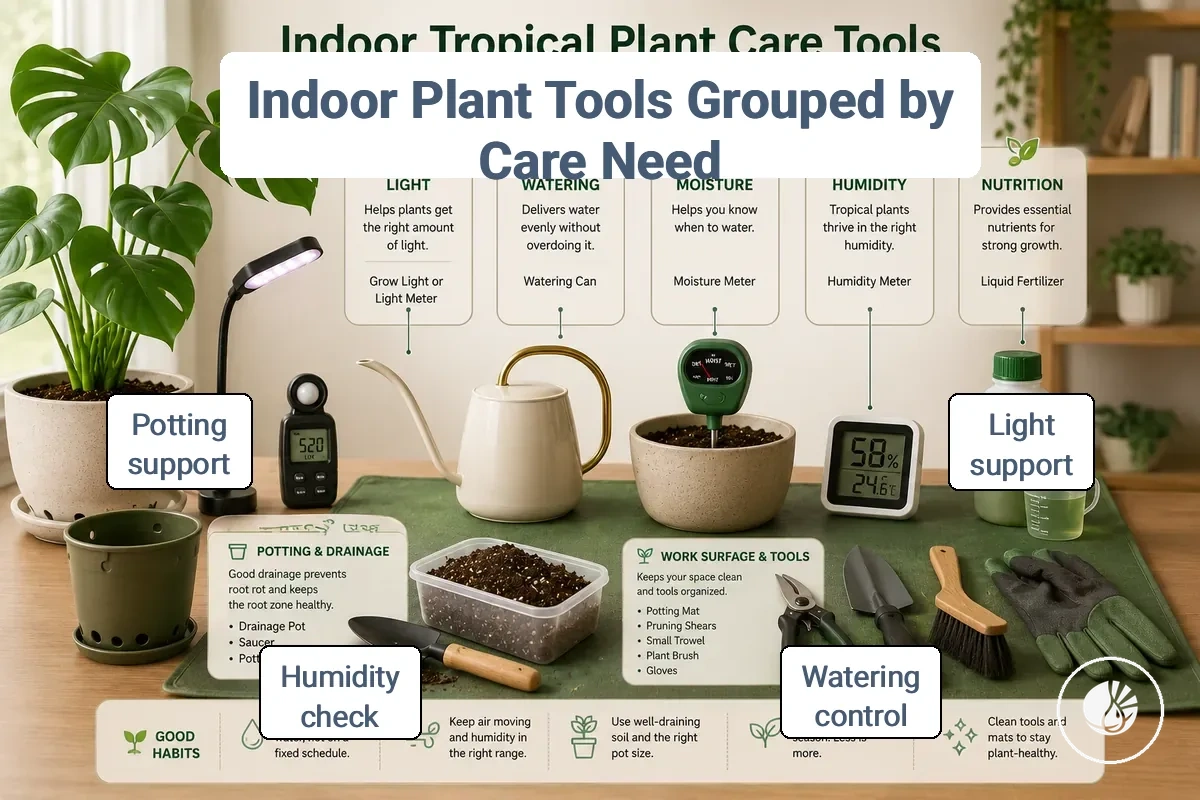
Indoor plant tools, kits, and supplies should be chosen by the care need they support rather than by product quantity or bundle size. A grow light, watering can, moisture meter, humidity meter, fertilizer, or drainage pot has decision value only when it addresses a specific growing condition or maintenance task. The most useful selection criterion is the connection between care need, tool type, use condition, and decision outcome.
Choosing Indoor Plant Tools, Kits, and Supplies by Care Need becomes easier when each tool category is evaluated according to the problem it helps monitor or support. The image and table below connect care need to tool value rather than treating tools as catalog items.
| Care Need | Useful Tool or Supply | Attribute to Check | Decision Value |
|---|---|---|---|
| Light support | Grow light | Room light conditions | May help evaluate support options for a low-light room |
| Watering control | Watering can or moisture meter | Soil moisture observation | Can support more informed watering decisions |
| Humidity monitoring | Humidity meter | Indoor air condition | May help track dry air and room-condition changes |
| Feeding support | Fertilizer | Plant condition and growth response | Can contribute to nutrient support when appropriate |
| Potting and drainage | Potting mat or drainage pot | Water movement and cleanup needs | May support maintenance and root-zone management |
| General maintenance | Tool set | Task frequency and plant count | Depends on routine care requirements |
A beginner setup may require only a few starter tools that match immediate care needs rather than a larger plant care kit. In a low-light room, a grow light may have greater decision value than additional care accessories. A maintenance-heavy plant collection may benefit from measurement tools and support supplies that simplify repeated care tasks. Tool selection should remain criteria-led rather than based on catalog quantity or bundle size.
For a deeper comparison of selection criteria and setup options, see care tools and kits for indoor tropical plants.
Measurement Tools for Light, Moisture, and Humidity
Measurement tools support care decisions when they are used alongside plant observation rather than as standalone authorities. A light meter, moisture meter, and humidity meter provide condition readings that can help interpret growing conditions, but those readings should be evaluated within the broader context of plant response. The key criterion is how the measured attribute connects to a practical care decision.
Measurement tools are most useful when reading consistency, placement, and interpretation limits are considered together. A condition reading may vary when placement changes or when the measured area does not represent the plant’s overall environment. Reading consistency can help identify patterns over time, while interpretation limits remind users that a meter reading alone may not explain plant condition. Plant observation remains necessary when translating readings into care decisions.
- Light meter: Measures light exposure; placement affects the reading and its relevance to plant position.
- Moisture meter: Measures soil moisture; a watering decision may depend on both the reading and soil observation.
- Humidity meter: Measures room humidity; a condition reading may be more useful when compared with leaf cues and room conditions.
- Placement: Keep measurement tools near the area being evaluated to improve reading consistency.
- Cross-check: Compare meter readings with leaf appearance, soil condition, and room-condition signals before making care adjustments.
Basic Supplies for Watering, Feeding, Potting, and Pruning
Basic supplies should match recurring care tasks rather than accumulate around unused accessories. Watering, feeding, potting, and pruning each rely on different forms of task support, and the most suitable care supplies depend on plant count, available space, and maintenance frequency. The key selection cue is matching each supply to a recurring maintenance need.
Task grouping helps keep supply choices practical and focused. A small collection may need only a few starter supplies, while more frequent maintenance may justify additional task support. The goal is to support recurring care tasks without expanding into a product catalog.
- Watering: A watering can supports routine watering tasks and spill control, but usefulness may depend on plant count and watering frequency.
- Feeding: Fertilizer supports feeding routines and growth support, though application frequency may vary by plant condition and care schedule.
- Potting: A potting mat supports cleanup during root-zone tasks, but it may be less useful when repotting is infrequent.
- Drainage: A drainage pot supports water movement within the potting setup, though suitability may depend on growing conditions.
- Pruning and cleaning: Pruning tools and cleaning accessories support leaf care, hygiene, and routine maintenance, but the need for them often depends on maintenance frequency.
Matching Solutions to Plant Type, Room Conditions, and Season
Matching indoor tropical plant care solutions depends on plant type, room conditions, and season rather than on a single setup choice. Plant tolerance, room light, humidity level, drying speed, and maintenance capacity can all influence compatibility. The most suitable support is usually determined by how these conditions interact within the growing environment.
Matching Solutions to Plant Type, Room Conditions, and Season becomes easier when care decisions are organized by compatibility criteria. The table below connects common conditions to suitable support options and their related trade-off considerations.
| Condition | Compatibility Criterion | Suitable Support | Trade-off or Caution |
|---|---|---|---|
| Low-light room | Room light and plant tolerance | Grow-light support | May require ongoing adjustment based on room conditions |
| Dry room | Humidity level and leaf response | Humidity support | Suitability may depend on room environment and maintenance capacity |
| Fast-drying pot | Drying speed and care need | Moisture-focused watering support | May increase monitoring requirements |
| Seasonal change | Season and environmental variation | Care routine adjustment | Support needs may change over time |
| Low-maintenance setup | Maintenance capacity and available space | Simplified care support | May involve fewer adjustment options |
A low-light room may benefit from supplemental light support when plant type and room light are not closely aligned. A dry room may call for humidity-focused support when humidity level influences leaf response. Seasonal change can affect drying speed, which may alter watering routines or other care decisions. Maintenance capacity should also be considered because some adjustments require more ongoing attention than others.
Compatibility decisions often involve balancing plant tolerance against room conditions and seasonal change rather than pursuing a single solution. A support option that improves one condition may introduce a trade-off in maintenance capacity, monitoring, or setup complexity. For a broader criteria-based evaluation, compare solutions by care need before finalizing a support strategy.
Purchase or setup decisions are usually stronger when plant type, room conditions, and season are evaluated together. The most appropriate fit depends on the care need being addressed, the room environment, and the level of maintenance that can be sustained over time. Compatibility should guide the decision before any individual support option is prioritized.
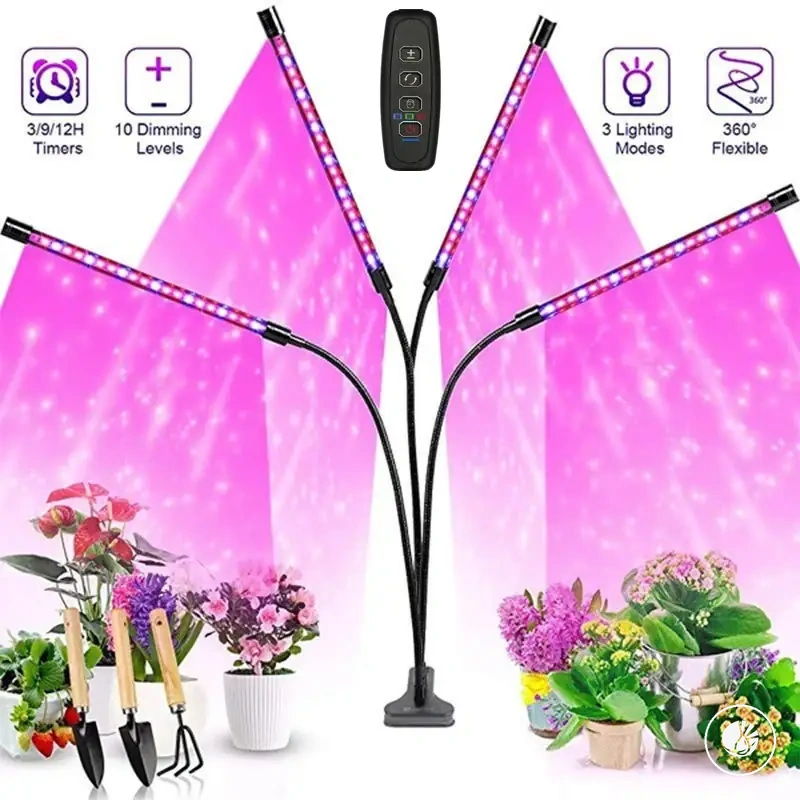
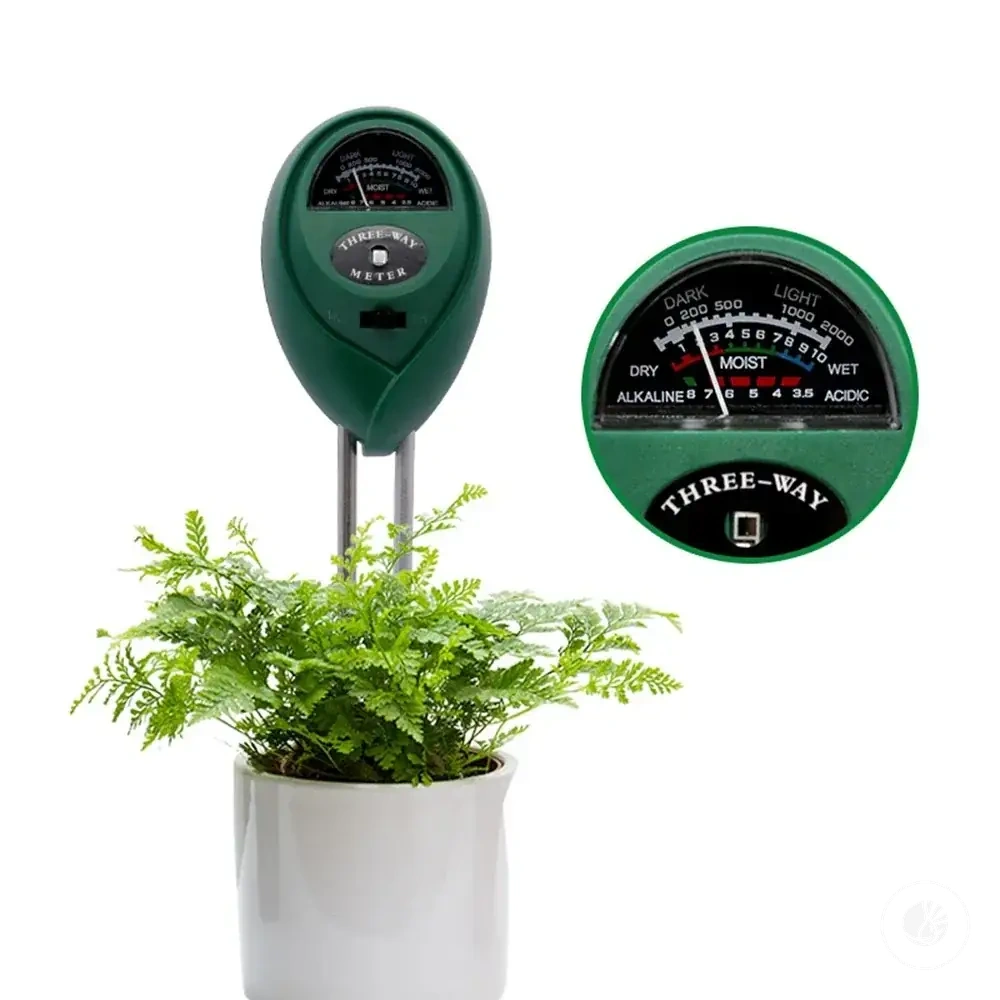
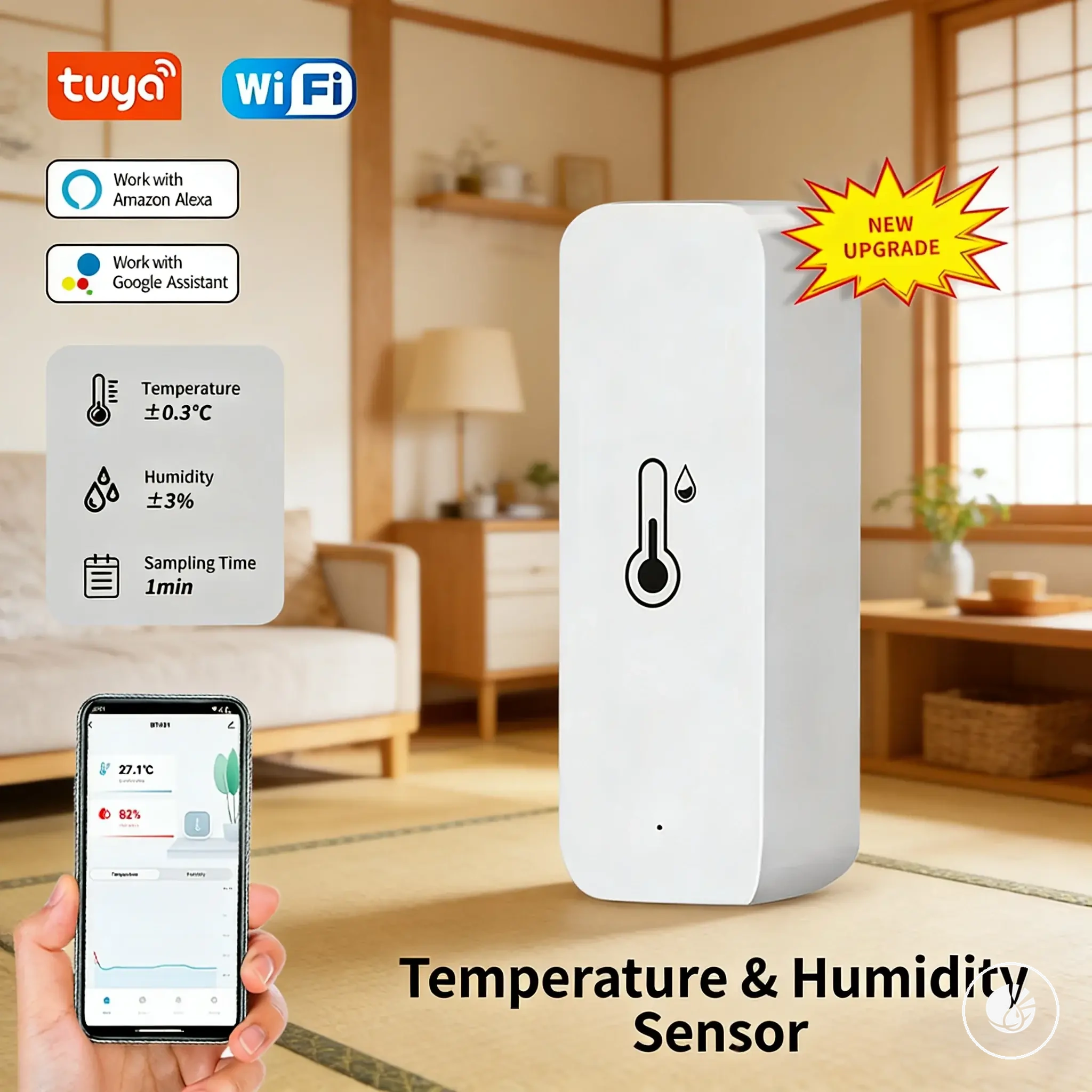
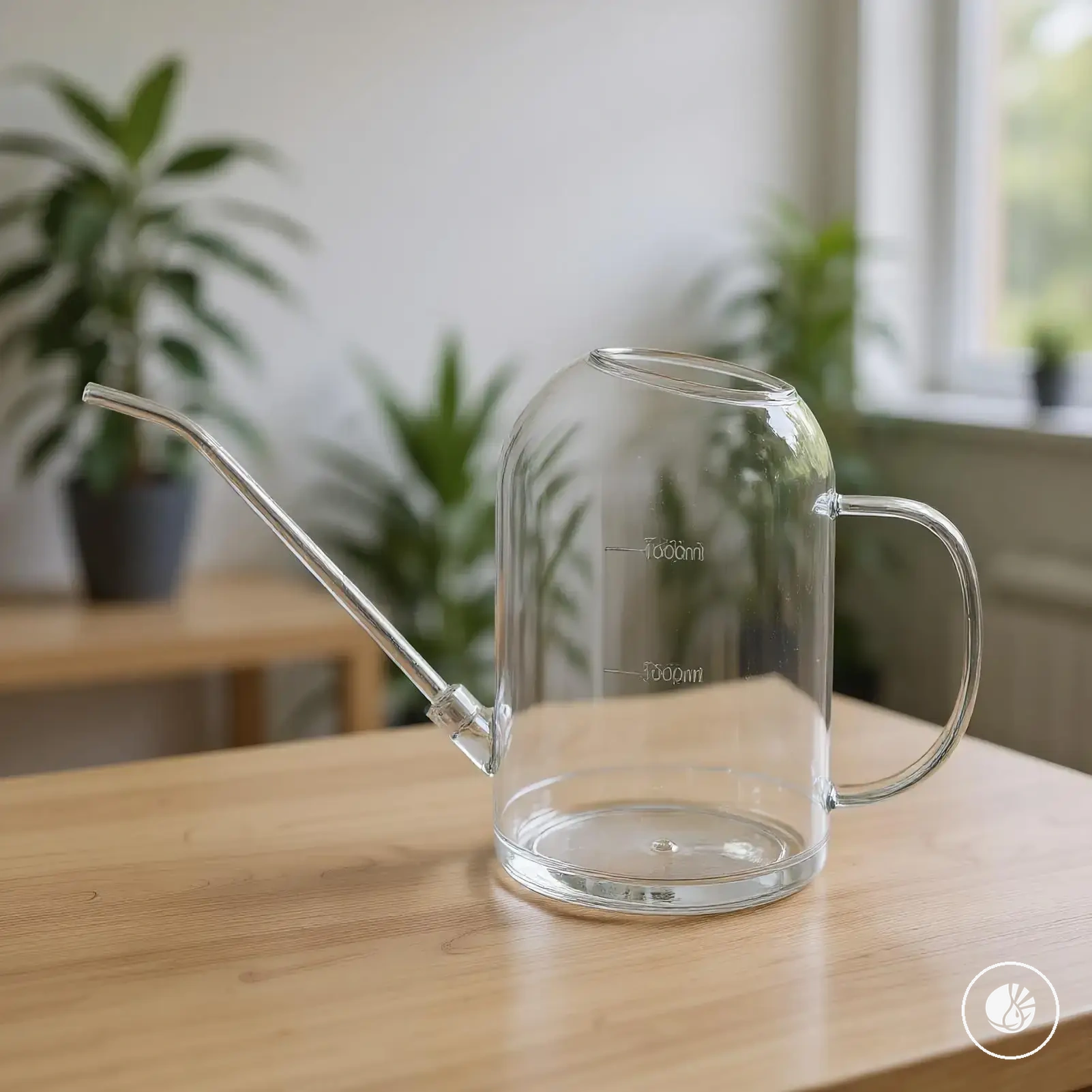
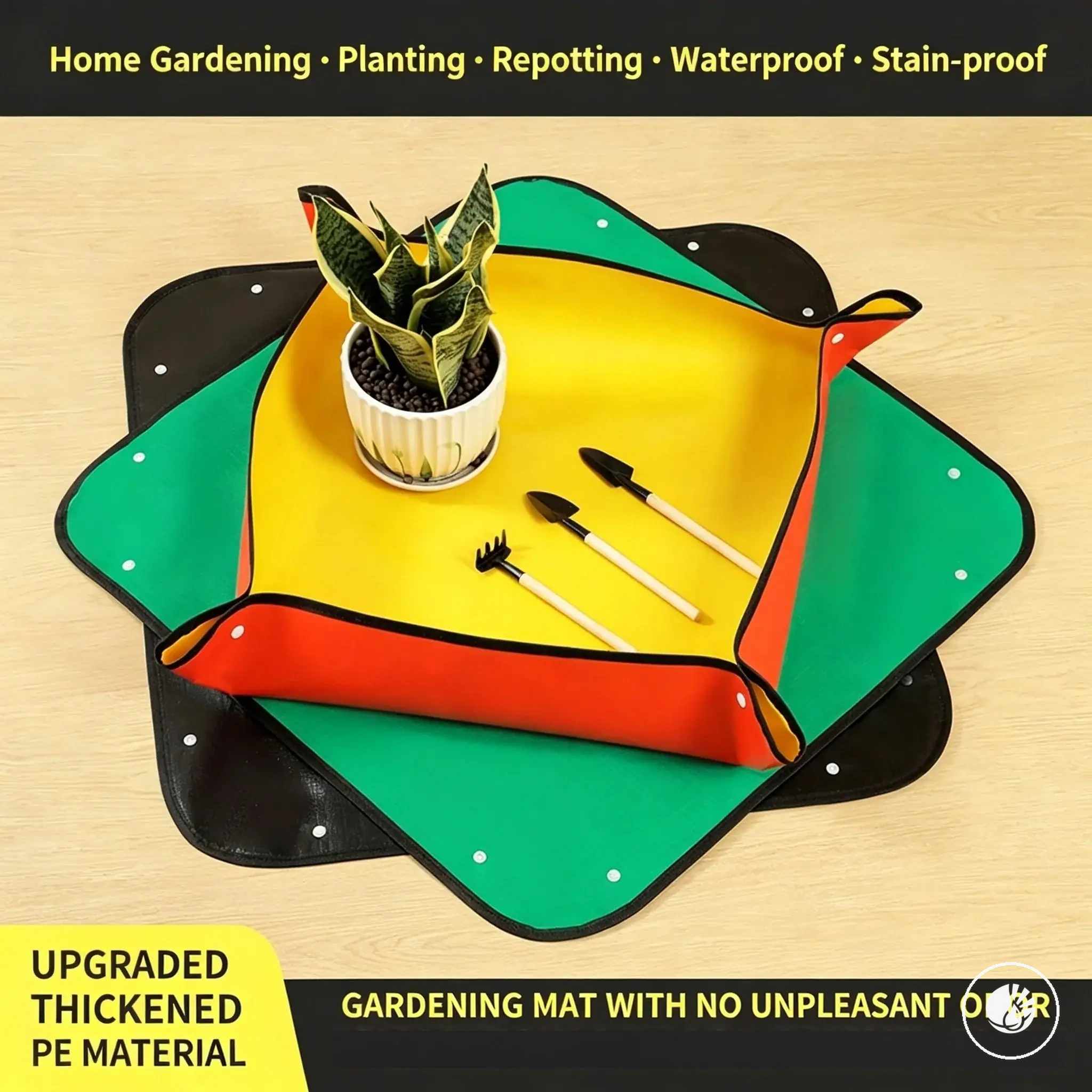
Here are product examples that may make comparison easier. Before buying, always review the compatibility criteria, essential features, and product details.
Maintenance Checks That Show Whether the Setup Is Working
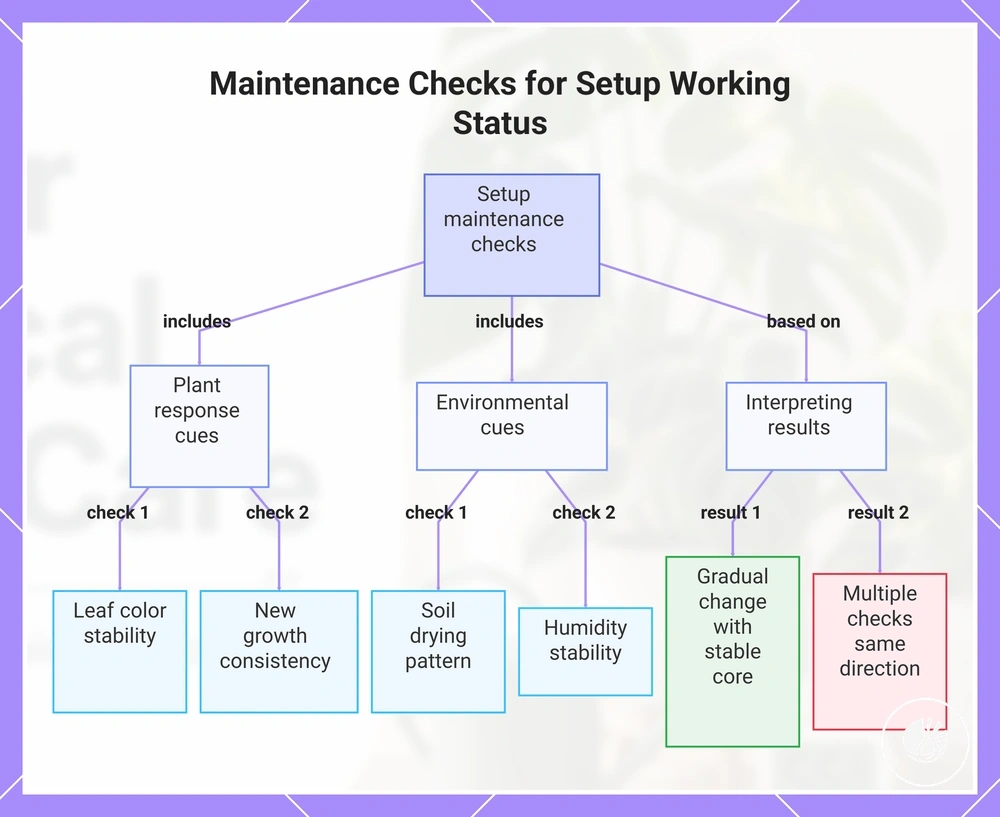
Maintenance checks confirm whether the setup is working over time by comparing plant response with the conditions being maintained. Leaf color, new growth, soil drying pattern, pot drainage, humidity stability, pest signs, and tool reading consistency help evaluate whether current care choices remain suitable. The most useful observation cue is whether plant response stays generally aligned with the intended growing conditions.
Maintenance Checks That Show Whether the Setup Is Working verify conditions across leaves, soil, roots, room conditions, and tool use. The checklist below connects each observation to a possible condition and a practical adjustment decision.
- Leaf color: Stable leaf color may indicate that the setup remains suitable; noticeable changes may justify reviewing light, watering, or room conditions.
- New growth: Consistent new growth can suggest a positive plant response; slower growth may prompt a review of care priorities and plant tolerance.
- Soil drying pattern: A predictable drying pattern may support watering control; unusually fast or slow drying may call for a setup adjustment.
- Pot drainage: Water moving through the pot as expected may support root-zone balance; persistent moisture may justify checking drainage conditions.
- Humidity stability: Stable room conditions may support ongoing plant adjustment; changing humidity levels may require a review of environmental support.
- Pest signs: Visible pest signs may indicate a condition that needs attention; observation can help determine whether further action is needed.
- Tool reading consistency: Similar readings over time may support decision-making; unexpected changes may benefit from cross-checking with direct observation.
Normal adjustment often appears as gradual change while core observation signals remain relatively stable. A setup gap may be more likely when multiple maintenance checks point toward the same condition over time rather than a temporary variation. Maintenance checks help separate routine plant adjustment from situations where the setup may benefit from review or modification.
This chart shows the key maintenance checks and how to interpret plant response to determine if the setup is working over time.
Common Indoor Tropical Plant Problems Linked to Care Gaps
When yellow leaves, brown tips, drooping, slow growth, root stress, or pest pressure appear, the likely condition is often a care gap, but the same symptom can have more than one cause. Indoor tropical plant problems frequently act as signals of possible gaps in light, water, humidity, drainage, nutrients, or pest prevention rather than proof of a single issue. A symptom is most useful when treated as a verification cue instead of a final diagnosis.
Common Indoor Tropical Plant Problems Linked to Care Gaps can be organized by symptom, likely care gap, and first check. The diagnostic table below maps plant symptoms to verification cues that can help guide a safe next adjustment.
| Symptom | Likely Care Gap | First Check | What It Means |
|---|---|---|---|
| Yellow leaves | Watering or nutrient imbalance | Review soil moisture and recent feeding patterns | May indicate a care gap, but a verification cue should come before the next adjustment |
| Brown tips | Low humidity, dry air, or water-quality factors | Check humidity stability and leaf condition | May reflect environmental stress rather than a single cause |
| Drooping | Soil moisture, roots, or drainage concerns | Assess soil moisture and pot drainage | Can signal a temporary condition or a broader setup issue |
| Slow growth | Light, nutrients, or environmental mismatch | Compare plant response with current growing conditions | May indicate that the setup is not fully aligned with plant needs |
| Root stress | Drainage or root-zone imbalance | Review moisture behavior and drainage performance | May point toward a root-zone care gap that requires evaluation |
| Pest pressure | Prevention or monitoring gap | Perform a leaf inspection | Can act as a troubleshooting signal that warrants closer observation |
Verification should come before adjustment because overlapping plant symptoms can point to different care gaps. Yellow leaves, brown tips, and drooping may share similar stress signs even when the likely condition differs. A verification cue helps connect the symptom to a more informed decision and next adjustment.
These patterns help identify likely care gaps, but they do not provide a complete diagnosis or exact cause. For a more detailed symptom-by-symptom process, continue to troubleshooting indoor tropical plant problems. This section focuses on symptom-to-care-gap mapping and leaves detailed diagnosis to the dedicated troubleshooting page.